Satin vs Semi Gloss Paint: Which Finish Belongs in Each Room?
Satin vs semi gloss paint: see the real differences in sheen, durability, and where to use each finish. Room-by-room guide from professional painters.
Quick Answer: Satin vs Semi Gloss Paint
The difference between satin and semi gloss paint comes down to how much light each finish reflects. Satin reflects 25-35% of light, giving walls a soft, velvety glow. Semi gloss reflects 35-50% of light, creating a noticeably shinier surface that repels moisture and wipes clean with ease. Choose satin for living spaces where you want to hide wall flaws, and semi gloss for kitchens, bathrooms, and trim where durability and washability matter most.

Quick Comparison: Satin vs Semi Gloss Paint
| Feature | Satin | Semi Gloss |
|---|---|---|
| Sheen level | Low-medium | Medium-high |
| Light reflection | 25-35% | 35-50% |
| Durability | Good | Very good |
| Washability | Handles light scrubbing | Handles heavy scrubbing |
| Best rooms | Living rooms, bedrooms, hallways | Kitchens, bathrooms, laundry rooms |
| Hides imperfections? | Yes, fairly well | No, highlights flaws |
| Moisture resistance | Moderate | High |
| Cost per gallon | $30-$55 | $30-$60 (about $1-$2 more) |
| Touch-up blending | Blends well | Harder to blend |
What Is Satin Paint?
Satin paint sits in the middle of the sheen scale, right between eggshell and semi gloss. It reflects 25-35% of light hitting the surface, which gives your walls a gentle luster without looking shiny.
The finish has a smooth, almost velvety look. It catches enough light to add warmth and depth to a room, but not so much that every bump and patch stands out. That balance is why satin is one of the most popular finishes for interior walls.
Paint manufacturers make satin with a moderate amount of resin (the ingredient that creates shine). Less resin than semi gloss means the surface absorbs more light. That light absorption is what helps satin hide minor dents, nail pops, and drywall seams.
When professional painters recommend satin
- Walls in living rooms, dining rooms, and bedrooms
- Hallways and stairwells with moderate traffic
- Older homes where walls have minor surface flaws
- Any room where you want a clean look without obvious shine
Satin holds up well to regular cleaning with a damp cloth. You can wipe away dust and light marks without wearing down the finish. Just avoid using abrasive scrub pads, which can leave dull spots over time.
What Is Semi Gloss Paint?
Semi gloss paint reflects 35-50% of light, giving surfaces a clear, bright sheen. It is one step below high gloss on the sheen scale and noticeably shinier than satin.
The higher shine comes from a larger amount of resin in the paint formula. More resin creates a harder, smoother surface once the paint cures. That hard surface is what makes semi gloss so easy to clean and so resistant to moisture.
You can scrub semi gloss walls with a sponge and household cleaner without damaging the finish. Grease, crayon marks, food splatters, and fingerprints wipe right off. This is why semi gloss has been the go-to choice for kitchens and bathrooms for decades.
When professional painters recommend semi gloss
- Kitchens (walls and cabinets)
- Bathrooms and laundry rooms
- Trim, baseboards, door frames, and crown molding
- Window sills and casings
- Cabinets and built-in shelving
- Any surface that gets touched, splashed, or scrubbed often
The trade-off is visibility. Because semi gloss reflects more light, it shows every bump, wave, and patch on the wall beneath it. If your drywall is not smooth, semi gloss will let you know.
Room-by-Room Guide: Satin or Semi Gloss?
This is where the satin vs semi gloss decision gets practical. Each room in your home has different demands, so using one finish everywhere rarely makes sense.
Living room and bedroom: satin
Your living room and bedroom walls do not take much abuse. They need to look good more than they need to survive daily scrubbing. Satin gives these rooms a refined, warm glow without highlighting every imperfection in the drywall.
Satin also handles the occasional wipe-down for dust or a scuff mark from furniture. For most families, that is more than enough durability for these spaces.
Kitchen: semi gloss
Kitchens deal with grease, steam, food splatter, and constant wiping. Semi gloss handles all of it. You can scrub your kitchen walls with a degreasing cleaner and the finish will look the same as the day it was painted.
This applies to both the walls and the cabinets. Semi gloss on kitchen cabinets creates a smooth, cleanable surface that stands up to years of daily use.
Bathroom: semi gloss
Bathrooms are the most humid rooms in your home. Every shower sends moisture into the air, and that moisture lands on your walls, ceiling, and trim. Semi gloss resists moisture absorption better than satin, which helps prevent peeling, bubbling, and mildew growth.
If you only use semi gloss in one room, make it the bathroom.
Hallways and high-traffic areas: satin or semi gloss
Hallways are a judgment call. If your household has kids, pets, or just a lot of foot traffic, semi gloss gives you easier cleanup of scuffs, handprints, and marks from bags and backpacks brushing the walls.
If your hallway walls have patches or uneven texture, satin may be the better choice. It hides those flaws while still offering decent scrubbability.
Trim, doors, and molding: semi gloss
This is one area where most professional painters agree: use semi gloss on trim. Baseboards, door frames, crown molding, and window casings all benefit from the harder, more durable finish.
Semi gloss on trim also creates a subtle visual contrast against satin or eggshell walls. That contrast gives your rooms a polished, finished look without needing a different color.
Cabinets: semi gloss
Kitchen and bathroom cabinets take a beating. They get opened and closed dozens of times a day, touched by greasy or wet hands, and exposed to heat and steam. Semi gloss creates a tough shell that resists all of that wear.
The smooth, hard surface also makes painted cabinets look clean and intentional rather than rough or chalky.
Exterior surfaces: depends on the surface
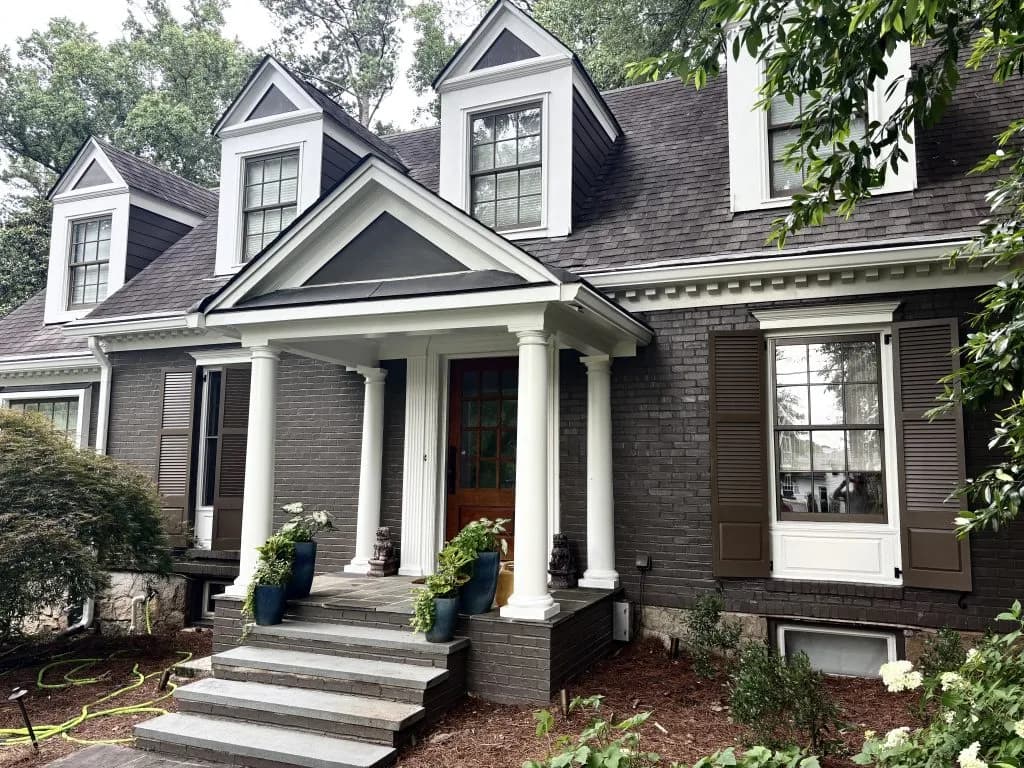
For exterior walls and siding, satin is usually the better choice. It hides surface imperfections that are common on outdoor surfaces and holds up well against weather.
For exterior trim, shutters, and doors, semi gloss works better. The added durability and moisture resistance help these detail areas last longer between repaints.
Children's rooms: semi gloss (or satin with semi gloss trim)
Kids touch walls. They drag toys along baseboards. They sometimes draw on surfaces that were not meant for drawing. Semi gloss makes cleanup simple. Most marks come off with a damp cloth.
If you prefer a softer look on the walls, use satin on the walls and semi gloss on the trim. You still get easy-clean surfaces where little hands reach most.
The Imperfection Factor
Here is the detail most homeowners overlook when choosing between satin and semi gloss: how much each finish reveals what is underneath.
Satin hides flaws. Its lower sheen absorbs more light, which means shadows from bumps, patches, and drywall seams are less visible. If your walls have been patched, have old nail pops, or carry the normal wear of an older home, satin will forgive those imperfections and give you a clean-looking surface.
Semi gloss highlights flaws. The higher sheen bounces light off the surface at sharper angles. Every wave, ridge, and patch line becomes more visible, especially in rooms with strong natural light or overhead fixtures.
This does not mean you should avoid semi gloss. It means you should prepare the surface properly before applying it. Professional painters skim-coat and sand walls before using semi gloss to make sure the surface is smooth enough to handle the higher sheen.
The bottom line: if you are painting over imperfect walls and do not want to invest in extensive prep work, satin is the safer choice. If you are willing to prep the surface (or hire a crew to do it), semi gloss will give you a more durable result.
Atlanta Climate Considerations
Atlanta's climate adds a layer to this decision that homeowners in drier regions do not have to think about.
Summer humidity in Atlanta regularly hits 80-90% relative humidity outdoors. Even with air conditioning running, indoor humidity can climb above 50-60% in kitchens and bathrooms, especially during showers or cooking.
That moisture matters for two reasons:
1. Moisture resistance during daily use. Semi gloss creates a harder surface that resists moisture penetration. In a bathroom where your walls are exposed to steam twice a day, semi gloss keeps water from soaking into the paint film. Satin handles some moisture, but it is more likely to show water spots or develop mildew over time in consistently humid rooms.
2. Proper curing during application. When relative humidity rises above 60%, paint takes longer to cure and may not bond as strongly to the surface. Paint manufacturers recommend applying paint at 40-50% relative humidity for best results. In Atlanta, that often means running your HVAC system or a dehumidifier during and after painting, regardless of which finish you choose.
What this means for your finish choice: In Atlanta specifically, leaning toward semi gloss for bathrooms, kitchens, and laundry rooms is even more important than it would be in a drier climate. The extra moisture resistance of semi gloss helps your paint job last longer in the face of sustained humidity.
For bedrooms and living rooms with good HVAC airflow, satin works well in Atlanta. Just make sure your home's humidity is controlled before and during painting.
Can You Mix Finishes in One Room?
Yes, and professional painters do it all the time. Using two finishes in the same room is actually the standard approach, not an exception.
The most common combination is:
- Satin on the walls for a smooth, forgiving look
- Semi gloss on the trim, baseboards, and doors for durability and visual contrast
This combination works because the slight difference in sheen between walls and trim creates depth. Your trim stands out just enough to frame the room without looking flashy or mismatched.
A few guidelines for mixing finishes:
- Trim should always be the same sheen or shinier than walls. Satin walls with semi gloss trim looks polished. Semi gloss walls with satin trim looks off.
- Use the same color or complementary colors. The sheen difference alone provides enough contrast. You do not need dramatically different colors to make it work.
- Keep it consistent from room to room. If your hallway trim is semi gloss, keep your bedroom trim semi gloss too. Switching finishes on trim throughout the house creates a disjointed feel.
Frequently Asked Questions
Is satin or semi gloss better for walls?
Satin is better for most walls. It provides a soft sheen that hides minor imperfections while still being durable enough for regular cleaning. Semi gloss works on walls in kitchens and bathrooms where moisture resistance is the priority, but it will show every flaw in the surface.
Is semi gloss too shiny for walls?
Semi gloss can look too shiny on large wall surfaces, especially in rooms with lots of natural light. The higher sheen draws attention to surface imperfections and can create glare. Most professional painters reserve semi gloss for trim, doors, and wet areas rather than using it on all walls.
What paint finish hides imperfections best?
Flat and matte finishes hide imperfections the best because they absorb the most light. Satin is the next best option. It hides minor flaws while still being washable. Semi gloss and high gloss finishes highlight imperfections because they reflect light at sharp angles, making bumps and patches more visible.
Is satin or semi gloss better for bathrooms?
Semi gloss is better for bathrooms. The higher resin content creates a harder surface that resists moisture absorption, which is critical in a room filled with steam and water. Semi gloss also resists mildew growth better than satin, and you can scrub it clean without wearing down the finish. This is especially important in humid climates like Atlanta.
Can you use satin paint on trim?
You can, but semi gloss is the more common and practical choice for trim. Satin on trim will show scuffs and marks more quickly because trim takes more physical contact than walls. Semi gloss gives trim a harder, more durable surface that cleans up easily and holds its finish longer. If you prefer a less shiny look, satin on trim can work in low-traffic rooms.
What is the most popular paint finish for interior walls?
Eggshell and satin are the two most popular finishes for interior walls. Eggshell has a very slight sheen and works well in rooms with low traffic. Satin offers a bit more shine and better washability, making it the top choice for living rooms, hallways, and bedrooms. According to paint manufacturers like Sherwin-Williams and Benjamin Moore, satin is the most versatile wall finish for most homes.
Does semi gloss paint show roller marks?
Semi gloss can show roller marks more than satin or flat finishes because the higher sheen makes surface texture more visible. To avoid roller marks with semi gloss, use a high-quality roller cover (microfiber or short-nap woven), maintain a wet edge while rolling, and apply thin, even coats. Many professional painters back-roll semi gloss to smooth out any lines before the paint starts to set.
Need help choosing the right finish for your project? OVO Painting's crew can walk you through options during your free estimate. Call (404) 630-2720.
Need Help Choosing?
Your OVO Painting crew can walk you through product options and finishes during your free estimate. No obligation.
Book Your Free Estimate
Your information is secure and never shared.
Sebastian Thomas
Founder, OVO Painting
Sebastian leads every estimate and final walkthrough at OVO Painting. With hands-on experience painting homes across Atlanta, he writes these guides to help homeowners make informed decisions about their projects.
Book Estimate
Same-day response. Fixed pricing. Written warranty.
Book Your Free Estimate
Your information is secure and never shared.
Free estimate · No obligation · 175+ Google reviews
Related Guides
Best Exterior Paint for Atlanta Climate (2026 Guide)
Guide to choosing exterior paint that withstands Atlanta heat, humidity, and rain. Top products and application tips.
Read GuideLow-VOC Painting Services in Atlanta
Guide to low-VOC and zero-VOC painting in Atlanta. Health benefits, product options, and pricing.
Read GuideDrywall Ceiling Repair in Atlanta (2026 Guide)
Guide to ceiling drywall repair in Atlanta. Water damage, cracks, texture matching, and popcorn removal.
Read GuideBest Cabinet Painting Colors in Atlanta for 2026
Trending cabinet paint colors for Atlanta kitchens and bathrooms in 2026. Color recommendations by style.
Read GuideWallpaper Removal Services in Atlanta (2026 Guide)
Professional wallpaper removal in Atlanta. Costs, process, wall repair, and when to DIY vs hire a pro.
Read GuideInterior and Exterior Painting in Atlanta: Combined Project Guide
Guide to combining interior and exterior painting in one Atlanta project. Savings, scheduling, and what to expect.
Read GuideCabinet Refinishing vs Painting in Atlanta: Which Is Right for You?
Side-by-side comparison of cabinet refinishing vs painting in Atlanta. Cost, durability, timeline, and best use cases.
Read GuideBathroom Cabinet Painting in Atlanta (2026 Guide)
Complete guide to bathroom cabinet painting in Atlanta. Costs, moisture-resistant finishes, and process.
Read GuideHow to Choose a Painting Contractor in Atlanta (Complete Guide)
Step-by-step guide to finding, vetting, and hiring a painting contractor in Atlanta. Checklist for licensing, insurance, estimates, and red flags.
Read GuideKitchen Cabinet Painting Cost in Atlanta (2026)
Kitchen-specific cabinet painting costs in Atlanta for 2026 by kitchen size, cabinet count, and finish type.
Read GuideWallpaper Installation Cost in Atlanta (2026 Pricing)
Wallpaper installation pricing in Atlanta for 2026 by material type, room size, and complexity.
Read GuideCommercial Painting Cost in Atlanta (2026 Guide)
Commercial painting pricing for Atlanta offices, retail, warehouses, and multi-unit buildings in 2026.
Read GuideDrywall Repair Cost in Atlanta (2026 Pricing Guide)
Complete drywall repair pricing for Atlanta homes in 2026 by damage type, patch size, and project scope.
Read GuideInterior Painting Cost Per Square Foot in Atlanta (2026)
Per-square-foot interior painting pricing for Atlanta homes in 2026 by room type, paint quality, and finish.
Read GuideWhole House Painting Cost in Atlanta (2026 Pricing)
How much does it cost to paint an entire house in Atlanta? Interior and exterior pricing for 2026 with room-by-room and square footage breakdowns.
Read GuideExterior House Painting Cost in Atlanta (2026 Guide)
How much does it cost to paint the exterior of a house in Atlanta? Complete 2026 pricing by home size, siding type, and number of stories.
Read GuideCabinet Painting Cost in Atlanta (2026 Pricing Guide)
Complete breakdown of cabinet painting costs in Atlanta for 2026. Kitchen and bathroom pricing by cabinet count, finish type, and project scope.
Read GuideBathroom Painting: Best Paint, Prep, and Cost
Guide to bathroom painting including best paint types, prep requirements, and cost for Atlanta homeowners.
Read GuideCeiling Painting: When, Why, and How Much It Costs
Guide to ceiling painting including cost, best finishes, and when Atlanta homeowners should repaint ceilings.
Read GuideTrim Painting: Cost, Prep, and Professional Results
Guide to trim painting cost, best paint products, and prep for Atlanta homeowners.
Read GuideAccent Wall Painting: Ideas, Colors, and Cost
Guide to accent wall painting including color ideas, cost, and design tips for Atlanta homeowners.
Read GuideKitchen Cabinet Painting: Cost, Process, and Results
Guide to kitchen cabinet painting cost, process, and how it compares to replacement for Atlanta homeowners.
Read GuidePopcorn Ceiling Removal: Cost, Process, and What to Expect
Complete guide to popcorn ceiling removal cost, process, and timeline for Atlanta homeowners.
Read GuideHouse Painting Cost: What Atlanta Homeowners Actually Pay
Complete house painting cost guide covering interior and exterior pricing for Atlanta homes.
Read GuideExterior House Painting Cost: Atlanta Pricing Guide
Exterior house painting cost guide with Atlanta-specific pricing by home size, siding type, and condition.
Read GuideBrick Painting: Cost, Pros and Cons, and Process
Guide to brick painting including cost, process, and when painting brick is the right choice for Atlanta homes.
Read GuideMatte vs Satin Paint: Which Finish Gives Your Walls the Right Look?
Matte vs satin paint finish: which one is right for your walls? Compare sheen, durability, and the best rooms for each. Clear advice from professional painters.
Read GuidePaint Color Guide for Atlanta Homes
Trending exterior paint colors for Atlanta homes in Buckhead, Sandy Springs, and Brookhaven. Specific Sherwin-Williams and Benjamin Moore recommendations.
Read GuideInterior Painting Costs in Atlanta: Room-by-Room Pricing
Interior painting in Atlanta costs $300-$1,800 per room. Get room-by-room pricing, cost factors, and tips from professional Atlanta painters.
Read GuideBest Paint Sheen for Every Room in Your Home
Which paint sheen is best for bathrooms, kitchens, and bedrooms? Compare flat, eggshell, satin, and semi-gloss finishes with room-by-room advice from Atlanta painters.
Read GuideHow Much Does a Painter Charge? Atlanta Pricing Guide
How much does a painter charge per hour in Atlanta? Interior painting costs $300-$1,800 per room. Get detailed pricing breakdowns from professional Atlanta painters.
Read GuideWhite Dove vs Swiss Coffee: Which Benjamin Moore White Is Right for Your Home?
Compare Benjamin Moore White Dove OC-17 and Swiss Coffee OC-45 side by side. See undertones, LRV, best rooms, and which warm white works in your space.
Read Guide
“Every project gets my personal attention — from the first phone call through the final walkthrough.”
— Sebastian Thomas, Owner