

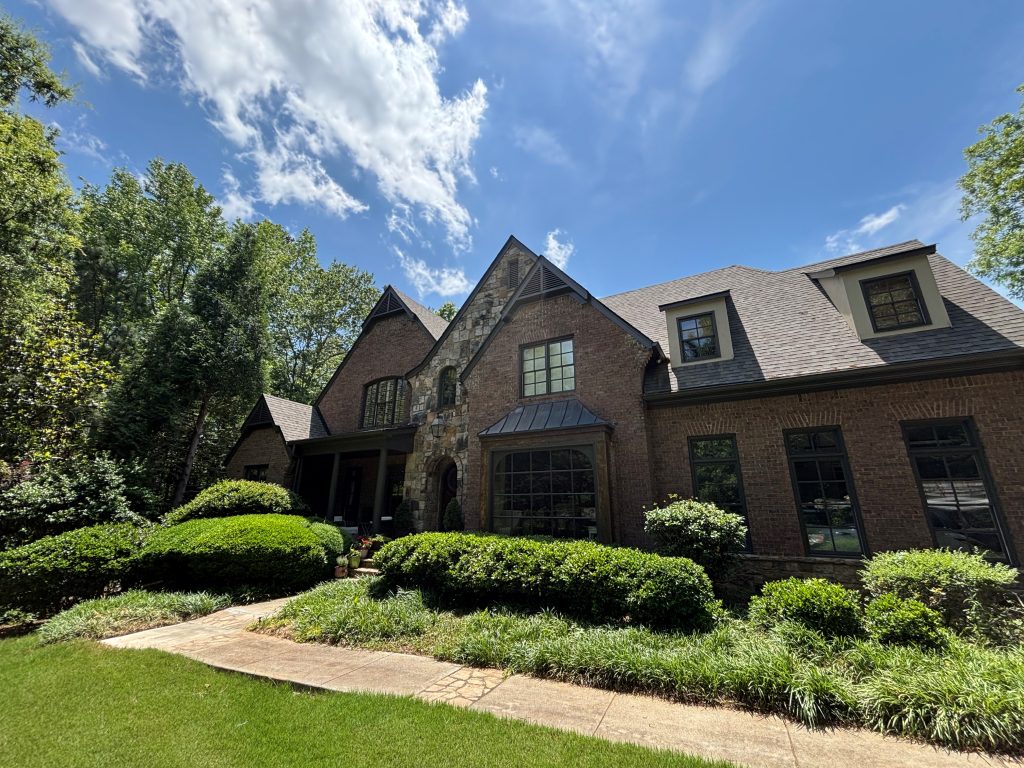
Most Atlanta homeowners automatically dismiss winter as an option for exterior painting projects, believing that cold weather makes professional painting impossible or inadvisable. This common misconception causes them to miss out on one of the year’s best opportunities for exterior home improvement, when Atlanta’s unique winter climate conditions actually create optimal painting environments that surpass spring and summer applications in many important ways. December in Atlanta offers a perfect storm of advantages including mild temperatures, low humidity, reduced UV exposure, and exceptional contractor availability that can transform your home’s exterior appearance while avoiding the scheduling conflicts and weather challenges that plague painting projects during traditional seasons.
Understanding Atlanta’s December climate patterns reveals why winter exterior painting often produces superior results compared to the hot, humid conditions that characterize Georgia summers or the unpredictable weather patterns of spring and fall. With average December temperatures ranging from 40 to 60 degrees Fahrenheit, Atlanta provides ideal conditions for paint application and curing without the extreme heat that can cause paint to dry too quickly or the excessive moisture that interferes with proper film formation during summer months.
Atlanta’s December Climate Advantages
Atlanta’s December temperatures fall perfectly within the optimal range for most professional-grade exterior paints, which typically require temperatures between 35 and 85 degrees Fahrenheit for proper application. Unlike summer painting when surface temperatures can exceed 100 degrees on sunny walls, December conditions allow paint to flow and level properly without flash-drying that creates brush marks, roller patterns, and uneven coverage. Professional painters understand that moderate temperatures enable better paint penetration into surface pores while allowing adequate working time for achieving smooth, uniform finishes.
The consistent temperatures throughout December days also eliminate the dramatic temperature swings common during spring and fall months that can stress paint films during curing phases. When daily temperature variations remain moderate, paint systems cure more uniformly and develop better adhesion characteristics that contribute to longer-lasting, more durable finishes. This temperature stability proves particularly beneficial for complex exterior painting projects involving multiple coats or specialty finishes that require specific environmental conditions for optimal performance.
Humidity Control Benefits
December humidity levels in Atlanta typically range from 45-65%, significantly lower than summer humidity that can exceed 80% for extended periods. This reduced moisture content in the air provides several critical advantages for exterior painting projects. Lower humidity enables paint to cure more predictably while preventing the moisture-related problems that can plague summer painting including slow drying times, poor adhesion, and increased susceptibility to biological growth during curing phases.
Professional painters recognize that controlled humidity levels during paint application and initial curing phases significantly affect long-term paint performance. Excessive humidity can cause paint to remain soft longer than intended, making it vulnerable to dirt accumulation, insect damage, and other contamination during the critical first days after application. December’s naturally controlled humidity eliminates these risks while enabling paint systems to develop their intended protective properties more reliably.
UV Radiation Reduction
December’s lower sun angle and shorter daylight hours provide significant protection against UV radiation that can damage paint during application and early curing phases. During summer months, intense Georgia sunshine can cause paint surfaces to heat beyond optimal temperature ranges while delivering UV radiation levels that begin breaking down paint chemistry before films have fully cured. December conditions eliminate these UV-related stresses while enabling paint systems to develop full protective capabilities before facing seasonal UV challenges.
The reduced daylight hours also provide practical advantages for exterior painting projects because painters can work during optimal temperature and humidity conditions without the extreme heat and intense sun exposure that characterize summer afternoon work periods. This enables more consistent working conditions throughout project timelines while protecting both paint performance and worker safety during application phases.
Professional Application Advantages in December
Atlanta’s December weather patterns provide longer periods of stable painting conditions compared to other seasons when sudden weather changes can interrupt projects and compromise paint quality. Spring and fall months often feature rapid weather transitions including unexpected rain, temperature swings, and humidity fluctuations that can halt painting progress and require extensive preparation before work can resume. December’s more predictable weather patterns enable systematic project completion without weather-related delays that increase costs and extend timelines.
The moderate temperatures throughout December days also extend daily working periods because painters can begin work earlier and continue later without encountering the extreme conditions that limit summer and winter application windows. This extended working time enables better project flow and more efficient completion while maintaining quality standards that might be compromised by rushed application during limited weather windows.
Superior Paint Flow and Leveling
Professional-grade exterior paints perform optimally under moderate temperature and humidity conditions that enable proper flow and leveling characteristics essential for smooth, attractive finishes. December conditions in Atlanta provide these optimal environments while eliminating the application challenges created by extreme summer heat or excessive spring humidity. Paint flow characteristics determine how well brush marks and roller patterns level out to create smooth surfaces, while proper leveling affects both appearance quality and long-term durability.
Advanced paint formulations designed for professional application rely on specific environmental conditions to achieve their intended performance characteristics. December conditions enable these sophisticated paint systems to perform as designed while avoiding the compromises necessary when applying quality paints under suboptimal environmental conditions during peak seasons.
Reduced Contamination Risks
December painting projects face significantly fewer contamination risks compared to other seasons when pollen, insects, dust, and airborne debris can compromise paint quality during application and curing phases. Spring pollen levels in Atlanta can be extreme enough to contaminate wet paint surfaces, while summer insects and increased construction activity create ongoing contamination challenges throughout painting projects. December conditions eliminate most of these contamination sources while enabling paint systems to cure in cleaner environments.
Professional painters understand that surface contamination during paint application and early curing can permanently affect paint appearance and performance. December conditions minimize these contamination risks while enabling quality control procedures that ensure optimal results without environmental interference.
Economic and Scheduling Benefits
December represents the painting industry’s slow season when experienced contractors have greater availability and often provide competitive pricing to maintain steady work during traditionally quiet periods. This contractor availability enables homeowners to work with top-tier painting professionals who might be completely booked during peak spring and summer seasons. Access to premium contractors during December often results in better attention to detail and project management because these professionals have more time to focus on individual projects without the scheduling pressures common during busy seasons.
The reduced demand for painting services during December also creates opportunities for competitive pricing on both labor and materials. Professional contractors often offer incentives during slow seasons to maintain cash flow and keep skilled crews employed, resulting in potential cost savings for homeowners willing to schedule projects during non-traditional periods. These savings can be substantial enough to offset any perceived inconveniences of winter scheduling while providing access to premium services at reduced costs.
Flexible Scheduling Options
December painting projects typically enjoy flexible scheduling options that aren’t available during peak seasons when contractors manage multiple concurrent projects with tight timelines. This scheduling flexibility enables better project planning and coordination while reducing stress associated with weather-dependent project timelines during unpredictable seasons. Homeowners can work with contractors to optimize project timing around holiday schedules and family commitments without competing with overwhelming demand for painting services.
The reduced scheduling pressure also enables more thorough project planning and preparation phases that contribute to better final results. Contractors have adequate time for detailed surface preparation, proper material selection, and quality control procedures that might be rushed during peak seasons when scheduling pressures affect project management decisions.
Surface Preparation Advantages
December conditions provide optimal environments for exterior surface preparation including pressure washing, scraping, and cleaning activities that form the foundation of successful painting projects. Moderate temperatures and controlled humidity enable thorough surface preparation without the complications created by extreme summer heat or spring weather variability. Pressure washing during December allows adequate drying time before paint application while avoiding the rapid evaporation and surface heating that can complicate summer cleaning activities.
Professional surface preparation requires specific environmental conditions to achieve optimal results, and December weather in Atlanta provides these conditions more consistently than other seasons. Proper surface preparation determines paint adhesion quality and long-term performance, making December’s preparation advantages a significant factor in overall project success.
Enhanced Adhesion Conditions
Paint adhesion depends heavily on surface preparation quality and environmental conditions during application phases. December conditions in Atlanta optimize both factors by providing stable temperatures and controlled humidity that enable proper surface preparation while creating ideal environments for paint bonding with prepared surfaces. The moderate temperatures prevent rapid moisture loss from substrates while enabling paint penetration characteristics that enhance adhesion strength.
Professional painters understand that adhesion quality determines paint system longevity and performance under stress conditions including thermal cycling, moisture exposure, and mechanical wear. December application conditions optimize adhesion development while avoiding environmental factors that can compromise long-term paint performance.
Long-Term Performance Benefits
Paint curing represents a complex chemical process that requires specific environmental conditions to achieve optimal protective and aesthetic properties. December conditions in Atlanta provide ideal curing environments with moderate temperatures and controlled humidity that enable paint systems to develop full performance characteristics without environmental stress that can affect final properties. Proper curing affects everything from color development and gloss retention to chemical resistance and mechanical durability.
Professional-grade exterior paints rely on controlled curing processes to achieve their intended performance specifications. December conditions enable these sophisticated curing processes to proceed optimally while avoiding environmental extremes that can interfere with proper chemical development during critical curing phases.
Enhanced Durability Development
Paint systems applied under optimal environmental conditions typically demonstrate superior long-term durability compared to applications completed under challenging environmental conditions. December applications benefit from controlled environmental conditions throughout application and initial curing phases, enabling paint films to develop maximum strength and protective characteristics before facing seasonal environmental challenges.
The moderate curing conditions common during December also reduce internal stresses within paint films that can contribute to premature failure including cracking, peeling, and adhesion loss. Paint systems that cure properly under controlled conditions demonstrate better resistance to thermal cycling, moisture exposure, and other environmental stresses that affect long-term performance.
Strategic Project Planning
December exterior painting projects can be strategically timed to enhance holiday entertaining and family gatherings while avoiding disruption to spring and summer outdoor activities when homeowners typically maximize patio and garden enjoyment. Completing exterior improvements during December ensures homes look their best for holiday visitors while freeing up traditional outdoor seasons for enjoying rather than renovating exterior spaces.
The timing also enables homeowners to start the new year with completed home improvements that enhance both property value and personal satisfaction without ongoing construction disruption during prime outdoor living seasons. This strategic timing maximizes both convenience and enjoyment while ensuring exterior improvements provide immediate benefits.
Spring Preparation Benefits
December exterior painting projects position homes perfectly for spring landscaping and outdoor improvement projects by providing fresh, attractive backdrops for garden installations and outdoor living space enhancements. Completing exterior painting during winter enables spring focus on landscaping, outdoor furniture, and recreational improvements without coordinating multiple contractor schedules or managing overlapping project timelines.
This preparation strategy also ensures that spring weather surprises won’t delay planned exterior improvements while enabling homeowners to enjoy immediate benefits from completed painting projects throughout spring and summer outdoor seasons.
When your Atlanta home is ready for a refresh, December can be one of the best times to update your exterior—and OVO Painting knows how to make the most of it. Atlanta’s mild winter weather often creates ideal painting conditions, and our team is trained to take full advantage of this unique seasonal window. We use materials formulated for cooler temperatures and follow detailed, winter-ready application methods to ensure your paint goes on smoothly and lasts beautifully. With careful planning and consistent quality checks, we deliver results that hold up season after season. Ready for a winter transformation that boosts both curb appeal and long-term protection? Contact us today and experience the difference a professional paint job can make.