

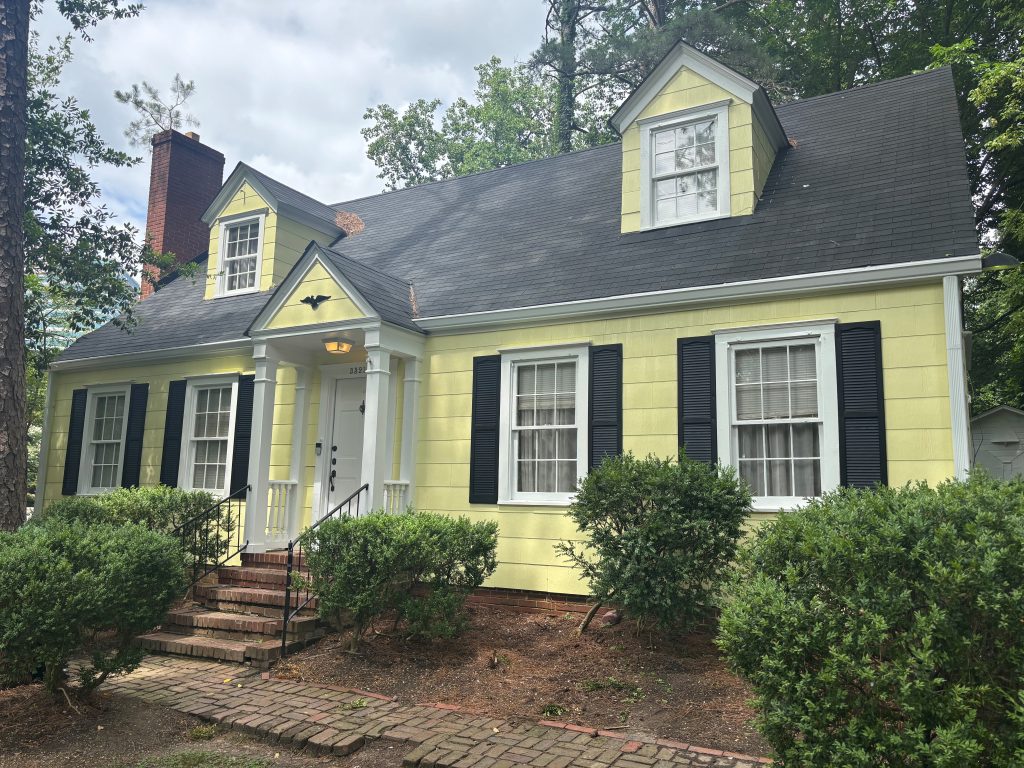
When Atlanta homeowners think about enhancing their property’s curb appeal, they typically focus on major projects like complete exterior repaints, landscaping overhauls, or architectural additions. However, one of the most cost-effective and dramatically impactful improvements often goes unnoticed until it’s desperately needed: refreshing the trim and shutters. These seemingly minor elements actually serve as the defining details that can either elevate your home’s entire aesthetic or silently undermine even the most expensive exterior improvements.
In Atlanta’s competitive real estate market, where home values continue climbing and first impressions carry significant weight, the condition and appearance of your trim and shutters can influence both your daily enjoyment of your property and its market value. Yet these critical elements are frequently overlooked until they become so weathered, faded, or damaged that they detract from the overall appearance of an otherwise well-maintained home. Understanding how trim and shutter painting can transform your property’s appeal while protecting your investment represents one of the smartest home improvement decisions Atlanta homeowners can make.
The Architectural Impact of Trim and Shutters
Trim and shutters function as the architectural jewelry of your home, defining lines, creating visual interest, and establishing the character that distinguishes your property from others in the neighborhood. In Atlanta’s diverse architectural landscape, from Craftsman bungalows in Virginia-Highland to Colonial revivals in Buckhead, these elements serve different but equally important roles in defining each home’s unique personality and style.
Window trim acts as a frame that draws attention to your home’s windows while creating definition and proportion. When trim is well-maintained and properly painted, it enhances the perceived size and importance of windows, making them appear larger and more prominent. Conversely, peeling, faded, or poorly maintained trim creates a neglected appearance that diminishes the impact of even beautiful, well-maintained windows. The contrast between trim color and main siding color can either create dramatic definition or subtle sophistication, depending on your design goals and architectural style.
Shutters, whether functional or decorative, add depth, texture, and visual weight to your home’s facade. Properly painted shutters create shadows and dimensional interest that prevent flat, monotonous exterior appearances. They also provide opportunities for color coordination or contrast that can tie together different architectural elements while expressing your personal style preferences. In Atlanta’s bright sunlight, well-painted shutters help reduce glare while adding character that photographs beautifully and creates memorable curb appeal.
Door trim deserves special attention as it frames what is often the focal point of your home’s exterior. The front door and its surrounding trim create the first impression visitors receive, and fresh, well-executed trim painting can make even modest doors appear more substantial and welcoming. This element often receives the most scrutiny from visitors and potential buyers, making its condition particularly important for both daily enjoyment and resale value.
The cumulative effect of all trim elements working together creates cohesion and polish that elevates your entire exterior appearance. When these details are crisp, clean, and thoughtfully painted, they create a finished, intentional look that suggests quality and attention to detail throughout the property. This psychological impact influences how neighbors, visitors, and potential buyers perceive not just your home’s exterior, but your likely maintenance standards for the entire property.
Atlanta’s Climate Challenges for Trim and Shutters
Georgia’s humid subtropical climate creates unique challenges for exterior trim and shutters that many homeowners underestimate until damage becomes visible. The combination of intense summer heat, high humidity, frequent thunderstorms, and occasional freezing temperatures creates a demanding environment that tests the durability of paint systems and underlying materials throughout the year.
Summer heat in Atlanta regularly exceeds 90 degrees Fahrenheit, with heat index values often reaching well above 100 degrees. This intense heat causes painted surfaces to expand and contract repeatedly, creating stress on paint films that can lead to cracking, peeling, and adhesion failure. Trim and shutters, typically made from wood or composite materials, experience significant thermal movement that requires flexible, high-quality paint systems to accommodate without failure.
High humidity levels, often exceeding 80% during summer months, create conditions that slow paint curing and can trap moisture in wood substrates. This moisture can lead to paint failure from behind as trapped water vapor pushes against paint films, causing bubbling and peeling. The extended periods of high humidity also create ideal conditions for mold and mildew growth, particularly on trim and shutters that don’t receive direct sunlight for parts of the day.
Atlanta’s frequent thunderstorms deliver intense rainfall that tests the water resistance of painted surfaces while contributing to the humidity levels that challenge paint performance. Driving rain can penetrate small cracks or worn areas in paint films, leading to water damage in underlying wood that may not become apparent until significant decay has occurred. This makes preventive maintenance through proper painting particularly important for long-term material preservation.
The seasonal temperature swings between hot summers and occasional freezing winter weather create freeze-thaw cycles that can be particularly damaging to trim and shutters. Water that penetrates small cracks or worn paint areas can freeze and expand, creating larger cracks and accelerating deterioration. These cycles make timing of painting projects important, as proper surface preparation and curing time become critical for long-term performance.
UV radiation in Atlanta’s sunny climate causes gradual breakdown of paint films and underlying materials, leading to fading, chalking, and eventual failure. Trim and shutters often receive different amounts of sun exposure depending on their orientation and surrounding landscaping, creating uneven wear patterns that require strategic planning for maintenance and color matching during repainting projects.
The Economics of Trim and Shutter Painting
The financial benefits of trim and shutter painting extend far beyond the immediate cost of the project to include property value enhancement, maintenance cost savings, and protection of underlying materials. Understanding these economic factors helps homeowners make informed decisions about timing and investment levels for their trim and shutter maintenance projects.
Return on investment for trim and shutter painting consistently ranks among the highest of all home improvement projects. Real estate professionals regularly cite fresh, well-maintained trim as one of the most cost-effective ways to improve a property’s market appeal and value. The relatively modest cost of painting trim and shutters compared to their visual impact creates an exceptionally favorable cost-to-benefit ratio that few other improvements can match.
Preventive maintenance through regular painting saves substantial money compared to replacement costs when trim and shutters deteriorate beyond repair. Quality wood trim can cost hundreds of dollars per linear foot to replace, while composite and vinyl alternatives, though less expensive, often lack the character and appeal of well-maintained original materials. Regular painting extends the life of existing trim and shutters dramatically, deferring these major replacement costs for decades when properly maintained.
Energy efficiency improvements from properly painted trim and shutters provide ongoing cost savings through reduced heating and cooling expenses. Fresh paint creates better seals around windows and doors, reducing air infiltration that forces HVAC systems to work harder. Light-colored paints on shutters and trim also reflect heat rather than absorbing it, helping maintain cooler interior temperatures during Atlanta’s hot summers.
Market differentiation in Atlanta’s competitive real estate environment makes trim and shutter condition increasingly important for both sales speed and final price. Properties with obviously neglected trim often languish on the market longer and sell for less than comparable homes with well-maintained exteriors. The first impression created by crisp, fresh trim and shutters can influence buyer perception of the entire property’s condition and value.
Insurance considerations also favor well-maintained trim and shutters, as deteriorated exterior elements can lead to water damage claims that affect both premiums and coverage. Proper painting helps prevent the wood rot and water infiltration that can lead to expensive insurance claims while demonstrating responsible property maintenance to insurance providers.
Color Strategy and Design Psychology
Color selection for trim and shutters involves much more than personal preference, encompassing principles of design psychology, architectural appropriateness, and practical considerations specific to Atlanta’s climate and real estate market. Understanding how color choices affect both aesthetic appeal and practical performance helps homeowners make decisions that enhance their property’s beauty while supporting long-term value and maintenance goals.
Contrast levels between trim, shutters, and main house colors create different visual effects that can dramatically alter your home’s apparent size, proportions, and character. High contrast schemes, such as white trim against dark siding, create crisp, dramatic definitions that make architectural details appear more prominent and substantial. These bold approaches work particularly well on homes with interesting architectural features that benefit from emphasis and definition.
Subtle contrast approaches using colors from the same family or closely related hues create sophisticated, harmonious appearances that suggest quality and refinement. These schemes work especially well on homes where the overall architectural composition is more important than highlighting individual elements. They also tend to age more gracefully and appeal to broader audiences, making them safer choices for homeowners concerned about resale value.
Monochromatic schemes, where trim and shutters closely match the main house color, create unified, elegant appearances that can make homes appear larger and more substantial. This approach works particularly well on homes with complex architectural details that might appear busy with multiple colors, or when the goal is to create a backdrop that highlights other elements like landscaping or front door color.
Climate considerations affect color performance and maintenance requirements in Atlanta’s intense sun and heat. Darker colors absorb more heat, leading to greater thermal stress and more frequent maintenance needs. They also tend to fade more noticeably over time, requiring more frequent repainting to maintain their intended appearance. Lighter colors reflect heat and hide fading better, making them more practical choices for areas that receive intense sun exposure.
Neighborhood context and architectural style appropriateness help ensure that color choices enhance rather than clash with surrounding properties and established aesthetic themes. While personal expression is important, colors that work harmoniously with neighborhood character tend to support property values better than those that create jarring contrasts or appear out of place with local architectural traditions.
Material Considerations and Preparation Requirements
Different trim and shutter materials require specific preparation techniques and paint systems to achieve optimal performance and longevity. Understanding these material-specific requirements helps ensure that painting projects deliver maximum value and durability rather than requiring premature repainting due to preparation shortcuts or inappropriate product selection.
Wood trim and shutters remain popular in Atlanta for their traditional appeal and paint-holding characteristics, but they require the most comprehensive preparation for optimal results. Existing paint must be carefully evaluated for adhesion, with loose or failing areas completely removed through scraping, sanding, or chemical stripping. Wood surfaces must be thoroughly cleaned, and any signs of rot or insect damage addressed before painting begins.
Moisture content in wood substrates significantly affects paint adhesion and performance, making proper drying time essential after cleaning or repair work. Atlanta’s high humidity can extend drying times substantially, and rushing this process often leads to paint failure. Professional moisture meters help determine when wood surfaces are ready for priming and painting, ensuring optimal adhesion and longevity.
Composite materials, including fiber cement and engineered wood products, offer improved durability and stability compared to natural wood but require specific preparation techniques for optimal paint adhesion. These materials often have factory finishes that must be properly cleaned and sometimes lightly abraded to ensure mechanical adhesion of new paint systems.
Vinyl shutters present unique challenges because most paints don’t adhere well to vinyl surfaces without special preparation and primer systems. Proper cleaning to remove all dirt, mildew, and oxidation is essential, followed by specialized bonding primers designed for vinyl substrates. Color limitations also apply to vinyl shutters, as dark colors can cause excessive heat buildup that leads to warping and material damage.
Aluminum trim requires thorough cleaning to remove oxidation and chalking, followed by appropriate metal primers designed to prevent corrosion and ensure paint adhesion. The expansion and contraction characteristics of aluminum make primer selection particularly important for preventing adhesion failure during temperature cycling.
Surface preparation quality directly affects the longevity and appearance of the finished paint job, making this phase of the project critical for long-term success. Professional preparation includes not just cleaning and priming, but also careful caulking of gaps and joints to prevent water infiltration that can cause premature paint failure and substrate damage.
Professional Techniques for Superior Results
Achieving professional-quality results in trim and shutter painting requires specialized techniques, tools, and attention to detail that distinguish exceptional work from typical DIY efforts. Understanding these professional approaches helps homeowners appreciate the value of expert workmanship while recognizing what separates lasting, beautiful results from projects that require frequent touch-ups or early repainting.
Brush selection and technique significantly affect the final appearance and quality of trim and shutter painting. Professional painters use high-quality brushes appropriate for each specific paint type and surface texture, understanding how different brush designs affect coverage, smoothness, and the ability to maintain crisp lines and even coverage. Proper brush loading, angle, and pressure techniques ensure smooth, even coverage without brush marks or inconsistent thickness.
Cutting-in techniques for creating clean, straight lines where trim meets siding or other surfaces require steady hands, proper tools, and extensive practice to master. Professional painters use specialized cutting brushes and steady-handed techniques developed over years of experience to create perfectly straight lines without tape, saving time while achieving superior results. When tape is necessary, proper application and removal techniques prevent paint bleeding and damage to existing surfaces.
Spray application for shutters and some trim elements can provide superior coverage and smoothness compared to brush application, particularly on textured or detailed surfaces. Professional spray techniques require proper masking, equipment setup, and environmental control to achieve even coverage without overspray or contamination. Understanding when spray application is appropriate versus when brush work provides better results requires experience and judgment.
Multiple coat systems using proper primers and compatible topcoats ensure maximum adhesion, coverage, and longevity. Professional painters understand which primer systems work best with different substrates and topcoat types, ensuring chemical compatibility and optimal performance. They also understand proper timing between coats and environmental requirements for each product used.
Quality control throughout the project includes regular inspection for defects, proper coverage, and adherence to specifications. Professional painters catch and correct issues immediately rather than allowing them to compound or become permanent defects. This attention to detail during application prevents callbacks and ensures customer satisfaction.
Weather monitoring and project timing help professional painters optimize conditions for each phase of the work, from preparation through final curing. Understanding how temperature, humidity, and precipitation affect different materials and paint systems allows professionals to schedule work for optimal results while avoiding conditions that compromise quality.
Maintenance and Longevity Planning
Proper maintenance planning extends the life and performance of trim and shutter paint while preserving the investment homeowners make in professional painting projects. Understanding maintenance requirements and implementing systematic care programs helps ensure that trim and shutters continue enhancing curb appeal for maximum time between major repainting projects.
Regular inspection schedules help identify minor issues before they become major problems requiring extensive repairs or premature repainting. Professional painters recommend annual inspections of all painted trim and shutters, with particular attention to areas that receive heavy weather exposure or show early signs of wear. Early intervention for small areas of damage costs far less than allowing deterioration to spread to larger areas.
Cleaning protocols appropriate for painted trim and shutters help maintain appearance while preventing contamination that can lead to premature paint failure. Different paint types and exposure conditions require different cleaning approaches, from simple washing with mild detergents to specialized treatments for mold, mildew, or other contamination. Understanding proper cleaning techniques prevents damage to paint films while maintaining optimal appearance.
Touch-up strategies for addressing minor damage or wear help maintain overall appearance between major repainting cycles. Professional-quality touch-up work requires proper surface preparation, exact color matching, and appropriate application techniques to blend seamlessly with existing surfaces. Homeowners who understand proper touch-up procedures can address minor issues themselves while knowing when to call professionals for more complex repairs.
Environmental protection through landscaping choices, gutter maintenance, and other property improvements helps reduce the stress on painted trim and shutters. Proper drainage, controlled irrigation, and strategic landscaping can minimize moisture exposure and reduce maintenance requirements for painted surfaces.
Long-term planning for repainting cycles helps homeowners budget for maintenance while ensuring optimal timing for major projects. Understanding the expected lifespan of different paint systems under Atlanta’s climate conditions allows for proactive planning that prevents deterioration and maintains optimal appearance and protection.
ROI and Value Enhancement
The return on investment for trim and shutter painting consistently ranks among the highest of all home improvement projects, making it one of the smartest investments Atlanta homeowners can make for both immediate enjoyment and long-term value preservation. Understanding the multiple ways this investment pays returns helps homeowners prioritize this often-overlooked improvement opportunity.
Immediate curb appeal enhancement from fresh trim and shutter paint creates instant gratification while improving daily enjoyment of your property. The psychological impact of crisp, clean exterior details affects how homeowners feel about their property while creating positive impressions on neighbors, visitors, and passersby. This immediate improvement in quality of life provides returns that begin the moment the project is completed.
Property value increases from well-maintained trim and shutters typically exceed the cost of painting projects by substantial margins. Real estate professionals consistently identify fresh exterior paint, particularly on trim and detail elements, as one of the most cost-effective value-enhancement strategies available to homeowners. The professional appearance created by quality trim and shutter painting influences both buyer interest and final sale prices.
Market positioning advantages help properties stand out in competitive real estate markets where first impressions determine buyer interest and showing success. Homes with obviously well-maintained trim and shutters photograph better for online listings while creating positive first impressions during drive-by evaluations and showings. This competitive advantage can mean the difference between quick sales at asking price versus extended market time and price reductions.
Insurance and maintenance cost savings result from the protection that proper painting provides to underlying trim and shutter materials. Preventing water damage, wood rot, and other deterioration through proactive painting saves substantial costs compared to repair or replacement expenses. These ongoing savings compound over time, providing returns that continue long after the initial painting investment.
Conclusion
Trim and shutter painting represents one of Atlanta’s most overlooked opportunities for dramatic curb appeal enhancement and property value improvement. The combination of immediate visual impact, long-term protection benefits, and exceptional return on investment makes this project a smart choice for homeowners seeking maximum enhancement value from their improvement dollars. In Atlanta’s competitive real estate market and challenging climate conditions, well-maintained trim and shutters distinguish quality properties while protecting substantial investments in underlying materials and overall home value.
At OVO Painting, we understand the critical role that trim and shutters play in your home’s overall appeal and value. Our expertise in Atlanta’s unique climate challenges, combined with our commitment to professional preparation techniques and premium materials, ensures that your trim and shutter painting project delivers both immediate beauty and lasting protection. Whether you’re preparing your home for sale, enhancing your daily enjoyment, or maintaining your property’s value, our team has the knowledge and experience to transform your home’s exterior details into compelling assets that enhance your property’s appeal and performance. Contact us today to schedule your free consultation and discover how professional trim and shutter painting can elevate your Atlanta home’s curb appeal while protecting your investment for years to come.