

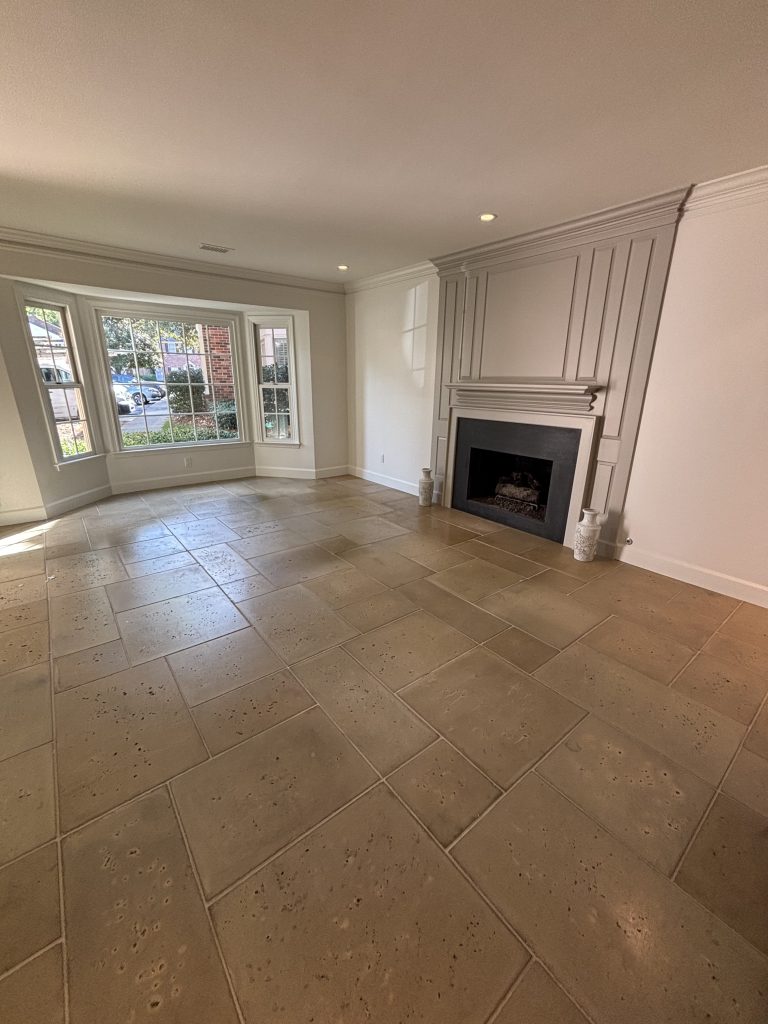
Atlanta homeowners facing exterior or interior repainting projects often confront a critical decision that significantly affects both project costs and long-term results: whether to strip existing paint completely or apply new paint over prepared existing surfaces. This fundamental choice influences everything from project timeline and budget requirements to final appearance quality and paint system longevity, making it essential to understand the factors that determine which approach provides optimal results for specific painting scenarios. The decision between stripping and painting over existing coatings requires analyzing paint condition, adhesion quality, surface compatibility, and performance expectations while considering Georgia’s climate demands and the specific challenges that Atlanta’s diverse housing stock presents for painting professionals.
Understanding when each approach proves most appropriate helps homeowners make informed decisions that balance immediate project costs with long-term performance expectations while ensuring painting investments deliver lasting beauty and protection worthy of Atlanta’s competitive real estate market. Professional assessment of existing paint conditions, substrate characteristics, and performance requirements enables strategic decisions that maximize painting value while avoiding costly mistakes that compromise both appearance and durability over time.
Understanding Paint System Fundamentals
Paint systems consist of multiple layers including primers and topcoats that must work together as integrated systems to provide optimal appearance, protection, and durability over extended service periods. When existing paint remains in good condition with proper adhesion to substrates, new paint layers can bond effectively with prepared existing surfaces to create unified paint systems that perform as well as completely new applications. However, paint system integration requires compatible chemistry, proper surface preparation, and adequate adhesion between all layers to ensure long-term performance under Atlanta’s demanding climate conditions.
Paint aging affects layer compatibility because older paint formulations may use different chemistry that creates adhesion challenges with modern paint products, while aging processes can change surface characteristics in ways that interfere with new paint bonding. Understanding these aging effects helps determine when existing paint provides suitable foundations for new applications versus when complete removal becomes necessary for optimal results.
Adhesion Science and Paint Performance
Paint adhesion depends on both mechanical and chemical bonding between paint layers and substrates, with surface preparation quality determining how effectively new paint bonds with existing surfaces. Mechanical adhesion relies on paint penetration into surface textures and pores, while chemical adhesion involves molecular bonding between compatible materials. When existing paint provides clean, stable surfaces with adequate texture for mechanical bonding, new paint can achieve excellent adhesion that supports long-term performance expectations.
Surface contamination, chemical incompatibility, or inadequate surface preparation can prevent proper adhesion regardless of paint quality, leading to premature failure including peeling, blistering, and delamination that requires expensive correction. Understanding adhesion requirements helps evaluate whether existing paint conditions support successful overcoating or require complete removal for reliable results.
When Painting Over Existing Paint Works Best
Painting over existing paint proves most successful when existing coatings remain well-adhered, chemically compatible with new paint systems, and free from contamination that might interfere with proper bonding. Existing paint in good condition provides excellent foundations for new applications when properly cleaned and prepared, often enabling superior results compared to painting over completely stripped surfaces that may present substrate challenges or preparation difficulties.
High-quality existing paint that has been properly maintained often provides better substrate conditions than bare wood or other materials that may have developed weathering, contamination, or other issues during exposure periods. Professional assessment evaluates existing paint quality while determining preparation requirements that enable successful overcoating without compromising performance expectations.
Surface Preparation Requirements
Successful painting over existing paint requires thorough surface preparation including cleaning, deglossing, and addressing any contamination or adhesion issues that might prevent proper paint bonding. Professional preparation procedures ensure optimal adhesion while maintaining existing paint integrity that supports new paint performance. Pressure washing, chemical cleaning, and mechanical abrasion may all be necessary to achieve surface conditions that enable reliable overcoating.
Primer application over existing paint often provides additional insurance against adhesion problems while creating uniform surface characteristics that optimize topcoat performance. Specialized bonding primers designed for overcoating applications can enhance adhesion while addressing minor compatibility issues that might otherwise require complete paint removal.
When Paint Stripping Becomes Necessary
Paint stripping becomes necessary when existing coatings exhibit widespread failure including peeling, blistering, cracking, or poor adhesion that cannot be corrected through surface preparation alone. Failed paint systems compromise new paint performance regardless of application quality because underlying adhesion problems typically continue affecting new coatings unless completely addressed through removal and proper substrate preparation.
Multiple paint layers that have accumulated over decades may create thickness buildups that interfere with proper window and door operation while creating surface irregularities that affect final appearance quality. Excessive paint buildup also increases the risk of future adhesion problems as accumulated layers stress substrate bonding beyond reliable limits.
Incompatible Paint Chemistry
Chemical incompatibility between existing paint and planned new coatings may require complete removal to prevent adhesion failures, discoloration, or other performance problems that compromise project success. Oil-based paints under latex topcoats, for example, can create adhesion challenges that lead to systematic paint failure unless properly addressed through complete removal or specialized preparation procedures.
Lead paint presence in homes built before 1978 often necessitates professional removal procedures that comply with EPA regulations for lead-safe work practices. Professional assessment determines lead paint presence while developing removal strategies that protect both workers and occupants during necessary stripping operations.
Substrate Access and Repair Requirements
Complete paint removal may be necessary to access substrate conditions that require repair, treatment, or modification before new paint application can proceed successfully. Wood rot, insect damage, or other substrate problems often remain hidden beneath existing paint until removal reveals conditions requiring professional attention before painting can achieve intended results.
Surface preparation for optimal paint performance sometimes requires substrate access that cannot be achieved through existing paint, particularly when dealing with complex architectural details or surfaces that have received inadequate preparation during previous painting projects.
Professional Assessment Techniques
Professional paint assessment begins with systematic visual inspection that evaluates existing paint condition, identifies problem areas, and determines overall paint system integrity throughout project areas. Visual inspection reveals obvious problems including peeling, cracking, and contamination while identifying areas requiring additional testing to determine appropriate treatment approaches.
Adhesion testing using standardized procedures provides objective measurements of existing paint bonding strength while identifying areas where adhesion problems might compromise new paint performance. Professional testing equipment enables accurate assessment that guides decision-making between overcoating and stripping approaches based on measurable performance criteria rather than subjective appearance evaluations.
Substrate Condition Evaluation
Substrate assessment determines whether underlying materials provide suitable foundations for new paint systems regardless of existing paint condition. Wood moisture content, surface contamination, and structural integrity all affect paint performance in ways that may require substrate treatment before successful painting can proceed.
Professional evaluation identifies substrate issues that might not be apparent through casual inspection while determining whether these issues can be addressed through existing paint or require complete removal for proper correction. Understanding substrate conditions helps establish realistic project scope while ensuring painting investments provide lasting value.
Environmental and Regulatory Considerations
Environmental factors including lead paint presence, disposal requirements, and local regulations affect decision-making between overcoating and stripping approaches while determining appropriate procedures for project completion. Professional assessment includes regulatory compliance evaluation that ensures project procedures meet applicable requirements while protecting both property and occupant safety.
Disposal considerations for stripped paint materials may affect project planning and costs, particularly when dealing with hazardous materials that require specialized handling and disposal procedures. Understanding these requirements helps establish accurate project budgets while ensuring compliance with environmental protection requirements.
Atlanta-Specific Climate Considerations
Atlanta’s humid subtropical climate creates specific challenges for both overcoating and stripping operations that affect timing, procedures, and material selection for optimal results. High humidity levels can interfere with paint curing while affecting adhesion development, making environmental control particularly important for successful project completion regardless of chosen approach.
Temperature extremes common in Georgia summers can complicate both stripping and overcoating procedures while affecting paint performance during application and curing phases. Professional timing and environmental control help optimize conditions for chosen procedures while ensuring climate factors support rather than compromise project success.
Seasonal Timing Optimization
Seasonal weather patterns in Atlanta affect optimal timing for both stripping and overcoating projects while influencing material selection and application procedures that ensure successful results. Fall and spring seasons often provide optimal conditions for exterior projects while winter months may favor interior work that benefits from controlled environmental conditions.
Understanding seasonal advantages and limitations helps plan project timing that maximizes success probability while coordinating with family schedules and contractor availability during optimal weather periods for chosen procedures.
Decision-Making Framework
Systematic cost-benefit analysis compares immediate project costs with long-term performance expectations while considering maintenance requirements and expected service life for different approaches. While stripping operations typically require higher initial investments, they may provide superior long-term value in situations where existing paint conditions compromise overcoating success.
Professional consultation helps evaluate these cost-benefit relationships while considering specific project circumstances, performance expectations, and budget constraints that affect optimal decision-making between stripping and overcoating approaches.
Quality and Longevity Expectations
Performance expectations for painted surfaces significantly affect optimal decision-making because different approaches provide varying levels of durability, appearance quality, and maintenance requirements over extended service periods. Premium results typically favor complete preparation including stripping when necessary, while budget-conscious approaches may accept performance compromises inherent in overcoating marginal existing paint.
Understanding these quality relationships helps establish realistic expectations while ensuring chosen approaches align with performance requirements and aesthetic goals that justify painting investments.
Professional Consultation Value
Professional consultation provides objective assessment and recommendation based on extensive experience with various paint systems, substrate conditions, and Atlanta climate factors that affect project success. Experienced painters understand how different approaches perform under local conditions while providing guidance that optimizes both immediate results and long-term value for specific project circumstances.
Professional expertise also includes understanding regulatory requirements, safety procedures, and specialized techniques necessary for successful completion of both stripping and overcoating projects while ensuring compliance with applicable standards and homeowner protection throughout project phases.
Implementation Strategies for Success
Regardless of chosen approach, surface preparation quality determines paint system performance and longevity while affecting both appearance and durability characteristics that justify painting investments. Professional preparation standards ensure optimal results through systematic procedures that address specific requirements for chosen approaches while maintaining quality control throughout project completion.
Quality control procedures include systematic inspection, testing, and verification protocols that ensure preparation adequacy before paint application begins while providing assurance that chosen approaches will deliver expected results worthy of investment in professional painting services.
When your Atlanta home needs a painting project that starts with the right preparation strategy, whether careful overcoating or full paint removal, OVO Painting delivers the professional assessment and expertise required to choose the best approach for your home. Our team evaluates existing paint conditions, surface characteristics, and Atlanta’s climate to determine the method that will provide the strongest long-term performance. With years of experience, proven evaluation techniques, and high-quality materials, we ensure your investment results in lasting beauty, reliable protection, and a finish that truly elevates your home. Contact OVO Painting today and let us turn complex preparation decisions into a smooth, successful, and enduring transformation.