

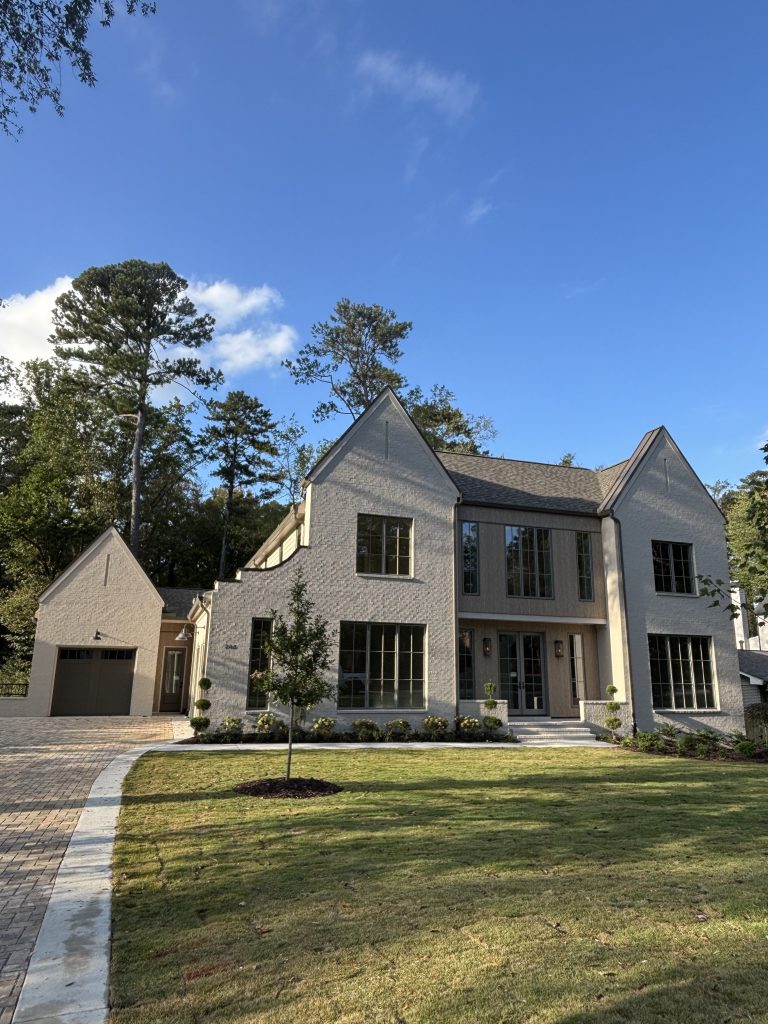
Brick homes define Atlanta’s architectural character from Virginia-Highland’s charming bungalows to Buckhead’s stately traditional estates. Yet many homeowners living in these classic brick houses find themselves contemplating a transformation that previous generations would have considered unthinkable—painting the brick. This decision carries significant implications for your home’s appearance, resale value, maintenance requirements, and long-term durability. Unlike painting wood siding where fresh coats simply refresh existing finishes, painting brick fundamentally and permanently alters the surface in ways you cannot reverse without expensive restoration. Understanding when brick painting makes strategic sense versus when it damages your home’s value requires examining your specific situation against Atlanta’s unique climate challenges, neighborhood architectural standards, and your long-term ownership plans. The explosion of painted brick homes across social media platforms has inspired many Atlanta homeowners to consider this dramatic transformation, but popularity doesn’t automatically mean appropriateness for every situation.
When Painting Brick Makes Perfect Sense in Atlanta
Certain situations strongly favor painting brick despite the permanent nature of the decision. Severely discolored brick from decades of Atlanta’s red clay dust, pollution from highway proximity, or biological growth creates unattractive appearances that cleaning cannot remedy. Mismatched brick from additions or repairs disrupts aesthetic harmony—painting unifies the appearance cost-effectively. Dated brick colors like orange-toned 1970s brick or harsh red 1980s brick clash with contemporary design preferences that favor neutral palettes. Homes in transitional neighborhoods where updated exteriors significantly boost property values benefit from painting that modernizes appearance without expensive replacement. If you plan long-term ownership of 10+ years and value personal aesthetic preferences over resale concerns, painting delivers the look you’ll enjoy daily. Structural homes with brick serving as veneer rather than load-bearing walls present lower risk since painted brick veneer doesn’t compromise structural integrity. Atlanta homeowners combining brick painting with comprehensive exterior updates—new windows, landscaping, lighting, and trim—create cohesive transformations that justify the investment and deliver substantial curb appeal improvement.
When Leaving Brick Unpainted Protects Your Atlanta Home’s Value
Many situations argue strongly against painting brick regardless of aesthetic preferences. Historic homes in districts like Inman Park, Grant Park, or Ansley Park maintain architectural integrity through original materials—painted brick destroys historic character and potentially violates preservation guidelines. High-quality vintage brick with beautiful patina, interesting color variation, and excellent condition represents craftsmanship you cannot replicate. Homes in established neighborhoods where unpainted brick defines architectural character risk appearing incongruous when painted. If you anticipate selling within 5-7 years, painted brick appeals to narrower buyer pools than original brick since reversal requires expensive restoration. Load-bearing brick structures where brick provides structural support shouldn’t be painted without engineering consultation since paint affects moisture management. Brick in excellent condition that cleans beautifully with professional pressure washing doesn’t justify painting’s permanence and ongoing maintenance. Atlanta’s luxury market heavily favors natural brick—painting brick on homes above $800,000 typically decreases value rather than enhancing it. Neighborhood covenants sometimes restrict exterior alterations including brick painting, making verification essential before proceeding.
Atlanta’s Climate Creates Unique Painted Brick Challenges
Atlanta’s humid subtropical climate presents specific challenges for painted brick that don’t exist in drier regions. Brick’s porosity allows moisture vapor transmission—walls “breathe” by absorbing and releasing moisture throughout seasonal humidity fluctuations. Paint creates a barrier that can trap moisture inside brick, causing several problems. Freeze-thaw cycles during winter cold snaps become more damaging when trapped moisture freezes, expands, and stresses brick from within. Efflorescence—white mineral deposits that brick naturally expels—becomes trapped under paint, causing bubbling and peeling. Summer humidity averaging 69% means painted brick rarely dries completely between moisture cycles. Atlanta’s intense UV radiation degrades exterior paint faster than moderate climates experience. Afternoon thunderstorms that appear suddenly during summer months test painted brick’s water resistance repeatedly. These climate factors mean painted brick in Atlanta requires premium breathable paints, meticulous surface preparation, proper moisture management, and realistic expectations about maintenance frequency that exceeds wood siding requirements.
The Proper Preparation Process for Atlanta Brick Painting
Successful brick painting begins with exhaustive preparation that determines long-term results. Professional pressure washing at appropriate PSI removes decades of accumulated dirt, biological growth, and efflorescence without damaging mortar joints. Damaged mortar requires professional tuckpointing before painting—paint cannot substitute for structural mortar repairs and applying paint over deteriorated joints guarantees failure. All cracks, gaps, and penetrations get sealed with appropriate masonry caulks that remain flexible through temperature changes. Efflorescence receives treatment with specialized cleaners that neutralize alkaline salts before painting. Brick must dry completely—typically 3-5 days after washing in Atlanta’s humidity—before primer application. Painting damp brick traps moisture that destroys adhesion immediately. Acidic brick cleaning solutions sometimes recommended by DIY sources can damage mortar and should be avoided unless specified by paint manufacturers. Professional preparation identifies and addresses every potential failure point because correcting problems after painting costs exponentially more than proper preparation.
Primer Selection: The Foundation of Durable Painted Brick
Primer choice critically impacts painted brick performance, yet many homeowners and budget contractors treat primer as optional or interchangeable. Brick demands specialized masonry primers formulated specifically for alkaline substrates and high porosity. These primers block efflorescence that would otherwise push through topcoat paint, seal porous brick to reduce topcoat absorption, provide alkaline-resistant base that prevents paint failure, and create uniform surface for even topcoat application. Oil-based or shellac-based primers perform better than water-based options on previously unpainted brick, though modern acrylic masonry primers work well with proper surface preparation. Two primer coats often deliver better results than single coats on highly porous Atlanta brick. Tinted primer matching topcoat color reduces number of finish coats required. Professional painters understand that primer represents 25-30% of material costs but prevents 75% of common painted brick failures. Skipping primer or using inappropriate products guarantees problems within 1-3 years regardless of topcoat quality.
Paint Selection: Breathability Matters in Atlanta’s Climate
Topcoat paint selection requires balancing durability, appearance, and vapor permeability. Brick must continue breathing even after painting or trapped moisture causes catastrophic failure. Premium 100% acrylic latex paints formulated specifically for masonry provide optimal performance. These specialized paints offer higher vapor permeability than standard exterior paints, flexibility that accommodates brick expansion and contraction, UV resistance for Atlanta’s intense sunshine, and mildew resistance for our humid climate. Elastomeric paints sometimes recommended for masonry provide excellent waterproofing but reduce breathability excessively for Atlanta’s climate unless specifically formulated for brick. Flat or matte finishes hide surface imperfections better than glossy sheens but show dirt more readily. Eggshell or satin sheens balance aesthetics and cleanability. Light colors reflect heat and perform better in Atlanta’s summers than dark colors that absorb heat and stress paint films. Professional-grade paints cost 40-60% more than budget alternatives but deliver 3-4 times longer service life, making them economical choices for permanent transformations like brick painting.
The Application Process: Professional Technique Matters Enormously
Application method and technique dramatically affect painted brick results. Spray application provides superior coverage into brick’s porous texture compared to rolling alone. Professional painters typically use combination techniques—spray for initial coverage, back-roll for texture filling, and brush for detail work. Two topcoats minimum ensure complete coverage and adequate film thickness. Atlanta’s climate requires specific application timing—moderate temperatures between 50-85°F, low humidity below 70%, and no rain forecast for 24-48 hours. Direct sunlight causes rapid drying that prevents proper leveling. Mortar joints need special attention since recessed areas accumulate paint that runs if over-applied. Weep holes at foundation level must remain unpainted to allow drainage. Window and door trim requires careful masking and crisp lines. Professional painters invest 2-3 full days in application for average brick home exteriors, while rushed work shows obvious flaws immediately.
Maintenance Expectations: Painted Brick Requires Ongoing Care
Painted brick eliminates maintenance-free benefits original brick provides. Plan on repainting every 8-12 years in Atlanta’s climate versus decades between painting for wood siding. Annual inspections identify paint failure before extensive damage occurs. Pressure washing painted brick requires gentler techniques than cleaning unpainted brick. Minor paint damage needs prompt repair to prevent moisture infiltration and expansion. Biological growth appears more readily on painted surfaces than bare brick, requiring periodic treatment. Budget for ongoing maintenance costs when evaluating brick painting decisions. Professional repainting costs $3-5 per square foot including preparation, making a 2,500-square-foot brick exterior cost $7,500-$12,500 to repaint. Factor these recurring expenses into long-term cost analysis. Homeowners expecting painted brick to remain maintenance-free like original brick typically experience buyer’s remorse within the first 5-7 years when repainting becomes necessary.
Color Selection Strategy for Atlanta Painted Brick Homes
Color choice significantly impacts painted brick success and neighborhood compatibility. White and off-white shades dominate Atlanta’s painted brick trends, creating crisp, modern appearances. Warm whites with creamy undertones complement Atlanta’s red clay and lush greenery better than stark cool whites. Light grays provide contemporary sophistication without white’s high maintenance. Taupe and greige tones bridge traditional and modern aesthetics. Bold colors like navy or black create dramatic statements but polarize potential buyers and show maintenance needs more obviously. Test colors on actual brick before committing—paint appears different on porous brick than smooth test boards. Consider surrounding homes to ensure your choice enhances rather than clashes with neighborhood character. Atlanta’s intense sunshine makes colors appear lighter and more washed out than they do in shade or cloudy conditions. Order sample-size quantities and paint substantial test areas visible in various lighting conditions before final decision.
The Permanence Factor: Understanding Long-Term Implications
Brick painting represents essentially permanent transformation that reversal cannot accomplish practically. Chemical stripping damages brick surface permanently. Sandblasting removes paint but also damages brick face and mortar. Professional restoration costs $15-25 per square foot—often exceeding original home value. Future owners inherit your painting decision whether they appreciate it or not. This permanence demands certainty before proceeding. Live with color samples for weeks, not days. Research neighborhood sales data comparing painted versus unpainted brick home values. Consult real estate professionals about local market preferences. Consider your long-term ownership timeline realistically. If any doubt exists about painting appropriateness, delay the decision rather than proceeding and regretting an irreversible choice.
Trust OVO Painting for Expert Atlanta Brick Painting Guidance
The decision to paint your Atlanta brick home deserves careful consideration, professional guidance, and expert execution if you proceed. OVO Painting brings extensive experience helping Atlanta homeowners evaluate whether brick painting suits their specific situations and executing transformations that deliver beautiful, durable results when painting makes sense. Our team understands Atlanta’s unique climate challenges, uses premium breathable masonry systems, and employs meticulous preparation and application techniques that ensure long-term success. Whether you’re considering painting brick on a Virginia-Highland cottage or a Brookhaven traditional, OVO Painting provides honest assessment of your project’s viability and transparent guidance about expectations, costs, and maintenance requirements. Contact OVO Painting today to schedule your free consultation. We’ll evaluate your brick’s condition, discuss your aesthetic goals, explain the complete process, and provide accurate pricing for professional brick painting that transforms your home beautifully.