

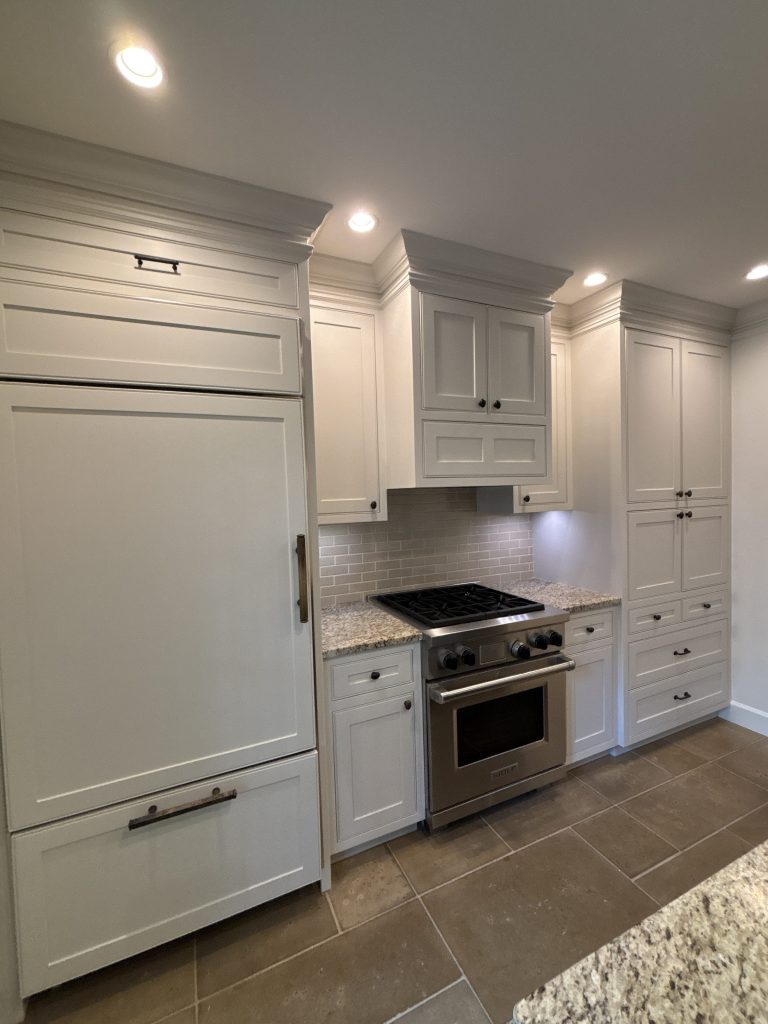
The new year is the perfect time for Atlanta homeowners to transform their kitchen by giving their cabinets a fresh coat of paint. Kitchen cabinet painting offers one of the most cost-effective ways to achieve dramatic kitchen transformations without the expense and disruption of complete renovations, making it an ideal resolution for homeowners seeking significant visual impact within reasonable budgets and timelines. The key to successful January 2026 cabinet painting lies in understanding how Georgia’s winter climate creates optimal conditions for cabinet finishing while developing systematic planning approaches that ensure professional results worthy of the investment in your home’s most important gathering space.
Professional cabinet painting during January provides unique advantages including controlled temperature and humidity conditions that enable superior paint adhesion and curing while avoiding the challenging environmental factors that can compromise cabinet finishing during summer months. Atlanta’s mild winter climate creates ideal indoor conditions for precision cabinet work while enabling homeowners to complete transformative kitchen improvements during the season when indoor projects prove most practical and enjoyable. Understanding how to plan and execute cabinet painting projects during January helps ensure successful outcomes that provide lasting beauty and value enhancement throughout the year ahead.
The Psychology of New Year Kitchen Transformations
January’s psychological environment creates optimal conditions for committing to significant home improvement projects because the New Year mindset naturally supports goals requiring sustained effort and investment in long-term improvements. Kitchen transformations align perfectly with common New Year resolutions including cooking more at home, entertaining more frequently, and creating organized, beautiful living environments that support healthy lifestyle changes. Cabinet painting projects provide tangible progress toward these goals while creating immediate visual rewards that sustain motivation throughout project completion.
Advantages of January Cabinet Painting in Atlanta
Atlanta’s January climate provides ideal conditions for precision cabinet painting because moderate indoor temperatures and controlled humidity levels enable professional paint systems to perform optimally during application and curing phases. Winter heating systems create stable indoor environments that eliminate the temperature and humidity fluctuations common during transitional seasons when outdoor conditions affect indoor painting environments. This stability proves particularly important for cabinet painting because the precision required for smooth, durable cabinet finishes demands consistent environmental conditions throughout multi-day project phases.
Professional cabinet paints require specific temperature and humidity ranges to achieve their intended flow, leveling, and curing characteristics. January conditions in heated Atlanta homes typically provide these optimal environments while avoiding the challenging conditions created by summer air conditioning cycling, spring humidity fluctuations, or fall temperature variations that can affect cabinet paint performance.
Extended Indoor Project Focus
January’s natural indoor focus creates ideal conditions for cabinet painting projects because families typically spend more time at home while outdoor activities remain limited by winter weather patterns. This indoor orientation reduces kitchen usage pressure while enabling more flexible project scheduling that accommodates the detailed work required for professional cabinet finishing. Homeowners can plan cabinet painting projects during periods when kitchen disruption creates minimal family impact while ensuring adequate time for proper preparation and finishing procedures.
The winter season also provides natural project focus because fewer competing outdoor activities and home improvement projects create clearer priority for indoor improvements that provide immediate family benefits during prime indoor living seasons.
Planning Phase: Setting Realistic Goals and Timelines
Successful cabinet painting projects begin with realistic scope assessment that considers cabinet condition, desired outcomes, and available timeframes while establishing clear project goals that guide decision-making throughout planning and execution phases. Professional assessment determines whether cabinet painting provides appropriate solutions for specific kitchen improvement goals or whether alternative approaches might better serve homeowner objectives within available budgets and timelines.
Cabinet condition evaluation includes assessing wood type, existing finish condition, hardware functionality, and structural integrity while identifying any repair or preparation requirements that affect project scope and timeline. Understanding these factors enables realistic project planning while ensuring that cabinet painting investments provide lasting value and satisfaction rather than temporary improvements that require frequent maintenance or early replacement.
Timeline Development and Schedule Coordination
Cabinet painting projects typically require 5-10 days for professional completion depending on kitchen size, cabinet complexity, and finish requirements, making January scheduling ideal for completion before spring outdoor activities resume and family schedules become more demanding. Professional timeline development accounts for preparation phases including cleaning, repair, sanding, and priming while allowing adequate curing time between coats that ensures optimal paint system performance and durability.
Schedule coordination becomes particularly important for cabinet painting because kitchen functionality remains limited throughout project phases, requiring meal planning and family coordination that minimizes disruption while enabling quality work completion. Professional project management helps coordinate these family and contractor schedules while maintaining realistic expectations for project duration and family accommodation requirements.
Color Selection Strategies for 2026
2026 cabinet color trends favor sophisticated neutrals, warm grays, and rich navy blues that provide contemporary appeal while maintaining long-term design relevance that justifies cabinet painting investments. These color directions reflect broader design trends toward comfortable elegance and natural materials while providing flexibility for changing accent colors and decorative elements throughout future years. Professional color consultation helps navigate these trend directions while selecting colors that complement existing kitchen elements and personal style preferences.
Classic white and cream cabinet colors continue providing reliable choices for homeowners seeking timeless appeal and maximum resale value, while off-white and warm white variations offer sophistication without the maintenance challenges associated with pure white finishes. Understanding these classic options alongside contemporary trends enables color selections that provide both immediate satisfaction and long-term value.
Coordination with Existing Kitchen Elements
Successful cabinet color selection requires understanding how chosen colors interact with existing countertops, backsplashes, flooring, and appliances while creating cohesive color schemes that enhance overall kitchen design. Professional color coordination prevents expensive mistakes while ensuring cabinet colors support rather than compete with existing kitchen investments and architectural features.
Lighting considerations also affect color selection because cabinet colors appear different under natural daylight, artificial task lighting, and ambient lighting conditions that change throughout daily kitchen usage patterns. Professional color evaluation accounts for these lighting variations while ensuring color choices maintain attractive appearance under all kitchen lighting scenarios.
Hardware Coordination and Finish Selection
Cabinet hardware selection significantly affects overall kitchen appearance while providing opportunities to enhance cabinet paint colors through coordinated metal finishes and style choices. Contemporary trends favor mixed metal finishes, oversized pulls, and distinctive hardware styles that create focal points while complementing cabinet colors and overall kitchen design themes. Professional hardware consultation ensures optimal coordination between paint colors and hardware finishes while maintaining style consistency throughout kitchen design elements.
Hardware replacement during cabinet painting projects provides cost-effective opportunities for dramatic impact while ensuring proper functionality and contemporary styling that enhances cabinet painting investments. Understanding hardware options and coordination strategies maximizes cabinet painting impact while creating sophisticated, professionally designed kitchen appearances.
Surface Preparation: The Foundation of Success
Kitchen cabinets accumulate grease, cooking residues, and cleaning product buildup that must be completely removed before paint application to ensure optimal adhesion and long-term performance. Professional cleaning procedures include specialized degreasing agents and surface preparation techniques that achieve the surface cleanliness required for durable cabinet finishes while protecting surrounding kitchen elements during preparation phases.
Inadequate surface preparation represents the primary cause of cabinet paint failures including peeling, chipping, and poor adhesion that require expensive correction or complete refinishing. Professional preparation procedures ensure optimal paint system performance while providing warranty coverage that protects cabinet painting investments against premature failure caused by preparation inadequacies.
Repair and Surface Enhancement
Cabinet doors, drawer fronts, and face frames often require minor repairs including filling nail holes, addressing wear areas, and correcting surface imperfections that affect final appearance quality. Professional repair procedures ensure smooth, uniform surfaces that enable paint systems to achieve their intended appearance characteristics while addressing functional issues that might interfere with cabinet operation or long-term durability.
Sanding procedures for cabinet painting require understanding how different wood types and existing finishes respond to abrasion while achieving surface profiles that optimize paint adhesion without damaging cabinet construction or architectural details. Professional sanding techniques balance adhesion requirements with surface protection while preparing cabinets for primer and paint applications that provide lasting beauty and performance.
Professional Application Techniques
Professional cabinet painting typically utilizes spray application techniques that provide superior finish quality compared to brush or roller methods while achieving the smooth, uniform appearance that distinguishes professionally painted cabinets from DIY attempts. Spray application requires specialized equipment, environmental controls, and application expertise that enable optimal paint flow and leveling while avoiding overspray issues that can affect surrounding kitchen elements.
Brush application techniques remain appropriate for detail work, touch-ups, and situations where spray application proves impractical, though achieving professional-quality brush finishes requires specialized brushes, application techniques, and paint products designed for brush application. Understanding these application method differences helps establish realistic expectations while ensuring optimal finish quality for specific cabinet painting requirements.
Multi-Coat System Benefits
Professional cabinet painting typically involves multi-coat systems including primer, base coats, and topcoats that provide superior durability, appearance, and performance compared to single-coat applications. Each coat serves specific purposes in building paint film thickness, providing substrate adhesion, developing color characteristics, and achieving protective properties that ensure long-term cabinet performance under demanding kitchen conditions.
Curing time requirements between coats affect project timelines while ensuring optimal inter-coat adhesion and final paint system performance. Professional application schedules account for these curing requirements while maintaining project momentum and minimizing kitchen disruption throughout multi-coat application phases.
Maximizing Investment Value and Longevity
Professional cabinet painting investments require ongoing maintenance to preserve appearance and performance while maximizing investment value throughout extended service life. Maintenance planning includes understanding appropriate cleaning products, frequency recommendations, and care procedures that preserve cabinet finishes while addressing normal kitchen usage and environmental exposure.
Professional maintenance guidance helps homeowners protect cabinet painting investments while identifying early warning signs of potential issues that require professional attention before they develop into expensive repair requirements. Understanding these maintenance requirements ensures realistic expectations while enabling proactive care that maximizes cabinet painting longevity and value.
Cost and Investment Planning
Cabinet painting costs vary based on kitchen size, cabinet complexity, color requirements, and finish specifications while providing exceptional value compared to cabinet replacement alternatives that can cost 3-5 times more than professional painting for similar visual transformation. Understanding these cost factors enables realistic budgeting while ensuring appropriate investment levels for desired outcomes and quality expectations.
Professional consultation provides accurate cost estimates while identifying potential additional requirements that might affect project budgets including repairs, hardware replacement, or preparation challenges that become apparent during detailed assessment phases. Transparent cost discussion ensures project success while preventing budget surprises that could affect project completion or quality expectations.
When you’re ready to transform your Atlanta kitchen and start the New Year with beautifully refreshed cabinets, OVO Painting delivers the expertise and precision your home deserves. Our team knows how Georgia’s winter climate supports optimal cabinet finishing, and we use professional-grade materials and proven techniques to ensure a smooth, durable, long-lasting result. With meticulous prep work and advanced paint systems designed for busy kitchen environments, we help bring your New Year vision to life, creating a stunning cabinet transformation that adds beauty, value, and lasting satisfaction to your home. Contact us today and let us turn your 2026 kitchen goals into a reality with craftsmanship you can trust.