

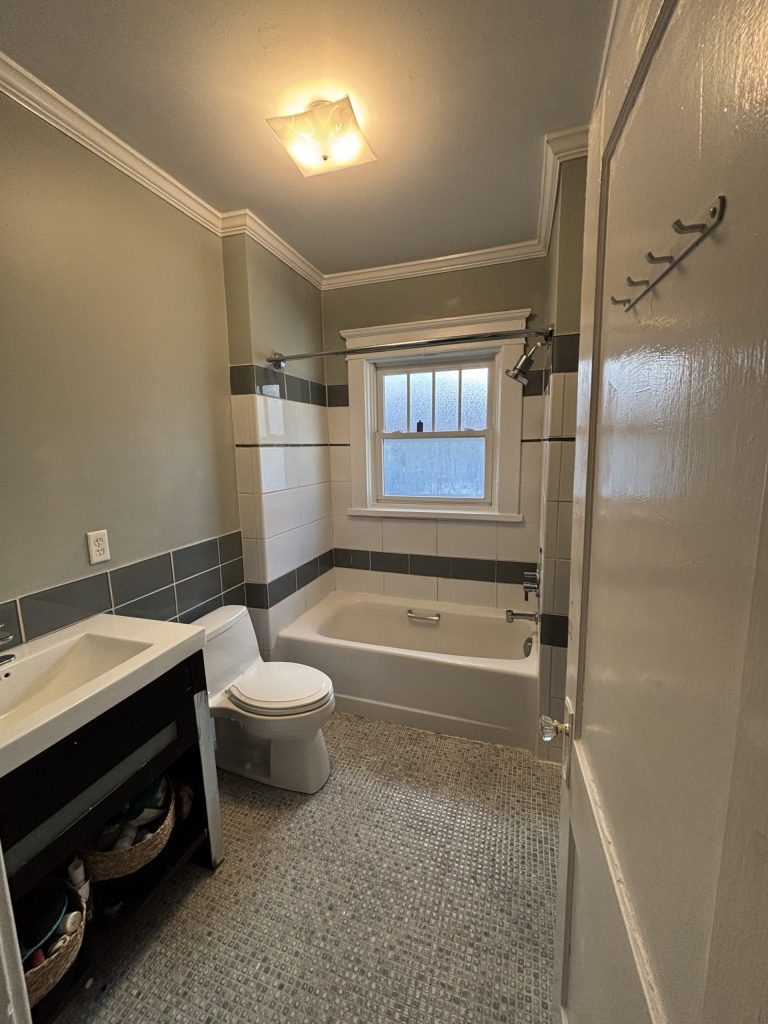
Atlanta homeowners know that bathrooms present unique challenges when it comes to painting. Between the steamy showers, frequent cleaning, and Georgia’s naturally humid climate, your bathroom walls endure more moisture exposure than any other room in your home. Choosing the right paint finish isn’t just about aesthetics—it’s about creating a protective barrier that can withstand daily humidity cycles while maintaining its beauty for years to come.
The difference between a bathroom paint job that looks fresh after five years versus one that starts peeling, fading, or developing mildew within months often comes down to understanding how different paint finishes perform in high-moisture environments. While many homeowners focus primarily on color selection, the finish you choose will ultimately determine whether your bathroom painting investment stands the test of time or becomes a costly recurring maintenance issue.
Understanding Moisture’s Impact on Paint Performance
Moisture affects paint in ways that extend far beyond simple water damage. In Atlanta’s humid subtropical climate, where humidity levels regularly exceed 70% during summer months, bathroom environments create a perfect storm of challenging conditions for painted surfaces. When warm, humid air meets cooler wall surfaces, condensation forms, creating microscopic water droplets that can penetrate paint films and cause adhesion problems.
The repeated expansion and contraction of paint films due to humidity fluctuations can lead to microscopic cracks that allow moisture to penetrate deeper into the paint system. Over time, this moisture infiltration causes paint to lose its bond with the underlying surface, resulting in the peeling, bubbling, and flaking that plague many Atlanta bathrooms.
Beyond the mechanical effects of moisture, bathrooms also harbor conditions that promote biological growth. Mold and mildew spores, always present in the air, find ideal growing conditions in consistently moist environments. Standard paint finishes that lack antimicrobial properties become breeding grounds for these organisms, leading to unsightly dark spots and potential health concerns for your family.
The temperature variations in bathrooms compound these moisture challenges. The dramatic temperature swings between steamy shower sessions and cooler periods create thermal stress on paint films. Lower-quality paints and inappropriate finishes struggle to accommodate these constant changes, leading to premature failure even when other conditions might seem favorable.
Understanding these moisture dynamics helps explain why bathroom painting requires specialized approaches that differ significantly from other interior spaces. The paint finish you select must not only resist moisture penetration but also accommodate the physical stresses that humidity cycles impose on painted surfaces.
Paint Finish Fundamentals: Sheen Levels Explained
Paint finishes are categorized by their sheen level, which refers to how much light the dried paint film reflects. This seemingly simple characteristic dramatically affects both the appearance and performance of paint in high-moisture environments. Understanding the relationship between sheen level and moisture resistance forms the foundation for making informed bathroom paint choices.
Flat or matte finishes reflect minimal light, creating a smooth, non-reflective appearance that many homeowners find appealing for their ability to hide surface imperfections. However, the porous nature of flat finishes makes them highly susceptible to moisture absorption. In bathroom environments, flat paints quickly become stained, discolored, and impossible to clean effectively, making them unsuitable for most bathroom applications.
Eggshell finishes provide slightly more sheen while maintaining a relatively subtle appearance. The increased sheen comes from a denser paint film that offers improved moisture resistance compared to flat finishes. However, eggshell still lacks the durability needed for high-moisture areas, particularly around showers, tubs, and vanities where direct water exposure occurs regularly.
Satin finishes represent a significant step up in moisture resistance while maintaining an attractive, sophisticated appearance. The increased sheen level results from a more tightly packed paint film that resists moisture penetration more effectively than lower-sheen options. Satin finishes also offer improved cleanability, allowing homeowners to wipe away condensation, soap residue, and other bathroom contaminants without damaging the paint surface.
Semi-gloss finishes provide even greater moisture resistance and durability, making them ideal for high-exposure areas within bathrooms. The increased sheen level comes from a dense, hard paint film that effectively repels moisture and withstands frequent cleaning. While some homeowners worry that semi-gloss finishes appear too shiny for residential applications, modern formulations provide attractive appearances that work well in bathroom environments.
Gloss finishes offer maximum moisture resistance and durability but are typically reserved for trim, doors, and other accent areas rather than entire wall surfaces. The high reflectivity of gloss finishes can create an institutional appearance that many homeowners find unsuitable for residential bathrooms, though they excel in areas requiring maximum protection and cleanability.
Why Semi-Gloss and Satin Finishes Excel in Bathrooms
The superior performance of semi-gloss and satin finishes in bathroom environments stems from their unique combination of moisture resistance, durability, and practical maintenance characteristics. These mid-to-high sheen finishes create paint films with molecular structures that effectively repel water while maintaining sufficient flexibility to accommodate the thermal cycling common in bathroom environments.
Semi-gloss finishes excel in bathrooms because their dense, tightly packed molecular structure creates an effective barrier against moisture infiltration. Water droplets bead up on properly applied semi-gloss surfaces rather than being absorbed into the paint film. This characteristic not only prevents moisture-related paint failure but also inhibits the growth of mold and mildew by denying these organisms the moisture they need to establish colonies.
The durability advantages of semi-gloss finishes extend beyond moisture resistance to include superior resistance to physical wear. Bathroom walls endure frequent contact from towels, cleaning supplies, and general daily use. Semi-gloss paint films maintain their integrity under this constant wear, preserving both appearance and protective properties far longer than lower-sheen alternatives.
Satin finishes provide an excellent balance between moisture resistance and aesthetic appeal for homeowners who prefer a less reflective appearance. While not quite as moisture-resistant as semi-gloss, high-quality satin finishes still offer substantial protection against bathroom humidity while creating a more subdued visual effect. This makes satin an ideal choice for larger bathroom walls where the reflectivity of semi-gloss might feel overwhelming.
The cleanability of both semi-gloss and satin finishes represents a crucial advantage in bathroom environments. These finishes can withstand regular cleaning with appropriate bathroom cleaners without losing their protective properties or visual appeal. The ability to effectively clean painted surfaces helps maintain hygiene while preserving the paint job’s longevity.
Color retention is another significant advantage of higher-sheen finishes in bathroom applications. The same dense molecular structure that provides moisture resistance also protects against the UV exposure that can cause lower-quality paints to fade or shift color over time. This characteristic helps maintain the fresh, clean appearance that homeowners desire in their bathroom spaces.
Specialty Bathroom Paints: Enhanced Protection Features
Modern paint technology has produced specialized bathroom paints that go beyond traditional moisture resistance to offer enhanced protection features specifically designed for high-humidity environments. These advanced formulations incorporate antimicrobial additives, improved adhesion technologies, and specialized resins that address the unique challenges of bathroom painting.
Antimicrobial paints represent a significant advancement in bathroom paint technology. These formulations include additives that actively inhibit the growth of mold, mildew, and bacteria on painted surfaces. Rather than simply resisting moisture, antimicrobial paints create an environment hostile to biological growth, helping maintain cleaner, healthier bathroom conditions while preserving paint appearance and integrity.
Moisture-curing technologies found in some specialty bathroom paints actually utilize ambient humidity to enhance the curing process. These innovative formulations form stronger, more durable paint films in high-humidity environments, turning the challenging bathroom conditions into an advantage rather than an obstacle. This technology is particularly beneficial in Atlanta’s humid climate, where traditional paints might struggle with proper curing.
Vapor-permeable bathroom paints address the complex relationship between moisture resistance and breathability. While these paints resist liquid water penetration, they allow water vapor to pass through the paint film, preventing moisture from becoming trapped behind painted surfaces. This characteristic helps prevent the substrate moisture problems that can lead to paint failure even when the paint itself performs well.
Enhanced adhesion formulations specifically designed for bathroom applications include specialized primers and bonding agents that create superior mechanical and chemical bonds with bathroom surfaces. These technologies help paint systems withstand the thermal cycling and humidity exposure that can cause standard paints to lose adhesion over time.
Self-priming bathroom paints combine the benefits of specialized primers with high-performance topcoats in single-product systems. These convenient formulations eliminate the need for separate primer applications while ensuring optimal adhesion and performance in bathroom environments. However, professional painters often still recommend separate primer and topcoat systems for maximum durability and longevity.
Surface Preparation: The Foundation of Long-Lasting Results
Even the highest-quality bathroom paint will fail prematurely without proper surface preparation. The unique conditions in bathroom environments make thorough preparation even more critical than in other interior spaces, as any shortcuts or oversights will be magnified by the constant moisture exposure and thermal cycling.
Existing paint evaluation represents the first crucial step in bathroom surface preparation. Many bathroom paint failures stem from applying new paint over failing existing coatings. Loose, peeling, or poorly adhered existing paint must be completely removed to create a stable foundation for the new paint system. This process often reveals underlying moisture damage that must be addressed before proceeding.
Mold and mildew remediation requires specialized attention in bathroom preparation work. Existing biological growth must be completely eliminated using appropriate antimicrobial cleaners before any painting begins. Simply painting over mold or mildew will result in rapid paint failure as these organisms continue growing beneath the new paint film. Professional-grade mold and mildew cleaners ensure thorough elimination of existing growth while preparing surfaces for optimal paint adhesion.
Surface cleaning in bathroom environments goes beyond simple dirt and grime removal to include soap scum, hard water deposits, and other bathroom-specific contaminants. These residues can interfere with paint adhesion and must be completely removed using appropriate cleaning agents. The high-humidity environment in bathrooms often requires extended drying times after cleaning to ensure surfaces are completely moisture-free before priming or painting.
Substrate repair becomes particularly important in bathroom applications where moisture damage may have affected underlying surfaces. Drywall repairs must use moisture-resistant materials and techniques to prevent future problems. Any substrate moisture issues must be identified and corrected before painting begins, as trapped moisture will eventually cause even the best paint systems to fail.
Primer selection for bathroom applications requires specialized products designed to provide optimal adhesion and moisture resistance. High-quality bonding primers create the essential foundation that allows bathroom paints to achieve their full performance potential. Skipping primer or using inappropriate primer formulations represents one of the most common causes of premature bathroom paint failure.
Color Considerations in High-Moisture Environments
Color selection for bathroom environments involves considerations that extend beyond personal preference to include how different colors perform under the unique lighting and moisture conditions found in these spaces. Understanding how bathroom environments affect color appearance and longevity helps homeowners make choices that will remain attractive and stable over time.
Light-colored paints generally perform better in bathroom environments than dark colors for several practical reasons. Light colors reflect more light, helping bathrooms feel brighter and more spacious while also reflecting heat that might otherwise contribute to thermal stress on paint films. Additionally, light colors make it easier to spot and address mold, mildew, or other contamination before it becomes a serious problem.
Color stability in high-humidity environments varies significantly between different pigment types and color families. Organic pigments, while often providing vibrant colors, may be more susceptible to humidity-related fading or color shifting than inorganic alternatives. Understanding these differences helps homeowners select colors that will maintain their intended appearance throughout the life of the paint job.
The interaction between bathroom lighting and paint color creates unique considerations for color selection. Most bathrooms combine natural light from windows with artificial lighting from multiple sources, creating complex lighting conditions that can dramatically affect color appearance throughout the day. Colors that look perfect under showroom lighting may appear entirely different in actual bathroom conditions.
Condensation patterns on painted surfaces can temporarily alter color appearance and highlight surface irregularities. Darker colors tend to show water spots and condensation patterns more prominently than lighter alternatives, potentially creating an uneven or spotted appearance during high-humidity periods. This consideration becomes particularly important for bathrooms that experience frequent temperature and humidity fluctuations.
Heat-reflective properties of different colors affect both comfort and paint performance in bathroom environments. Dark colors absorb more heat from lighting and warm shower steam, potentially accelerating thermal cycling and creating uncomfortable conditions. Light colors help maintain more stable temperatures while reducing stress on paint films.
Application Techniques for Optimal Performance
Professional application techniques become even more critical in bathroom environments where any defects or shortcuts will be amplified by moisture exposure and daily use. Understanding proper application methods helps ensure that even high-quality bathroom paints achieve their full performance potential and longevity.
Environmental conditions during application significantly affect final paint performance in bathroom environments. Proper ventilation during and after application helps ensure optimal curing while preventing condensation from interfering with the painting process. Atlanta’s humid climate requires particular attention to timing and environmental control during bathroom painting projects.
Film thickness control becomes crucial in bathroom applications where both under-application and over-application can compromise performance. Insufficient film thickness fails to provide adequate moisture protection, while excessive thickness can lead to poor adhesion and increased susceptibility to cracking. Professional painters use appropriate tools and techniques to achieve consistent, optimal film thickness throughout the project.
Multiple coat systems provide superior performance in bathroom environments compared to single-coat applications. Even high-quality bathroom paints benefit from multiple thin coats rather than attempting to achieve coverage and protection with a single thick coat. This approach ensures optimal adhesion between coats while building up the protective film thickness gradually.
Edge and detail work requires special attention in bathroom applications where moisture tends to accumulate around fixtures, corners, and trim work. These high-exposure areas often require additional protection through careful application techniques and potential use of caulking or sealants to prevent moisture infiltration behind painted surfaces.
Quality control throughout the application process helps identify and correct potential problems before they become permanent defects. Regular inspection during application allows for immediate correction of any defects or inconsistencies that could compromise long-term performance in the challenging bathroom environment.
Maintenance and Longevity Strategies
Proper maintenance significantly extends the life and performance of bathroom paint while preserving its appearance and protective properties. Understanding how to care for painted bathroom surfaces helps homeowners maximize their investment while preventing premature paint failure.
Regular cleaning with appropriate products helps maintain both the appearance and protective properties of bathroom paint. Using harsh or inappropriate cleaners can damage paint films and compromise their moisture resistance, leading to premature failure. Understanding which cleaning products are compatible with different paint types helps preserve paint integrity while maintaining cleanliness.
Ventilation management plays a crucial role in paint longevity by controlling humidity levels and preventing excessive moisture accumulation. Proper use of exhaust fans during and after showers helps minimize the humidity exposure that painted surfaces must endure. This simple practice can significantly extend paint life while preventing mold and mildew growth.
Early intervention for minor issues prevents small problems from becoming major paint failures. Addressing small areas of mold growth, minor scratches, or other damage promptly helps maintain the overall integrity of the paint system while minimizing repair costs and disruption.
Periodic inspection of painted surfaces helps identify developing problems before they require major remediation. Understanding what to look for and when to address issues helps homeowners maintain their bathroom paint in optimal condition while planning for eventual repainting needs.
Touch-up strategies for bathroom environments require understanding how to properly prepare and apply small repairs that will blend seamlessly with existing surfaces. Proper touch-up techniques help maintain appearance while extending the time between major repainting projects.
Professional vs. DIY Considerations
The challenging nature of bathroom painting often makes professional installation the wisest choice for homeowners seeking optimal results and longevity. Understanding the differences between professional and DIY approaches helps homeowners make informed decisions about their bathroom painting projects.
Professional painters bring specialized knowledge of bathroom-specific challenges and solutions that can mean the difference between success and failure in these demanding environments. Their experience with moisture-related issues, surface preparation requirements, and product selection helps ensure optimal results that justify the investment in professional services.
Access to professional-grade materials and tools often unavailable to homeowners represents another advantage of professional installation. These specialized products and equipment can significantly improve both the application process and final results, particularly in the challenging conditions found in bathroom environments.
Time and convenience factors often favor professional installation, particularly for busy homeowners who lack the time or expertise to properly execute the complex preparation and application requirements of bathroom painting. Professional completion also eliminates the extended disruption that DIY projects often create in heavily-used bathroom spaces.
Warranty and accountability considerations provide additional value through professional installation. Reputable painting contractors stand behind their work and have the expertise to address any issues that might arise, providing peace of mind that DIY projects cannot match.
Cost-benefit analysis often favors professional installation when considering the total cost of materials, tools, time, and potential for suboptimal results that require correction or early repainting. Professional painters can often complete projects more efficiently while achieving superior results that last longer than typical DIY efforts.
Conclusion
Choosing the right paint finish for your Atlanta bathroom represents an investment in both immediate beauty and long-term performance. The unique challenges of high-moisture environments demand specialized approaches that go beyond simply selecting attractive colors. Understanding how different paint finishes perform in humid conditions, the importance of proper surface preparation, and the value of professional application techniques helps ensure that your bathroom painting project delivers lasting results that enhance your home’s value and your family’s comfort.
At OVO Painting, we understand the specific challenges that Atlanta’s humid climate presents for bathroom painting projects. Our expertise in moisture-resistant paint systems, specialized surface preparation techniques, and professional application methods ensures that your bathroom paint job will maintain its beauty and protective properties for years to come. Whether you’re updating a powder room or transforming a master bathroom, our team has the knowledge and experience to help you select the perfect paint finish and deliver flawless results. Contact us today to schedule a consultation and discover how our professional approach can bring lasting beauty and durability to your bathroom painting project.