

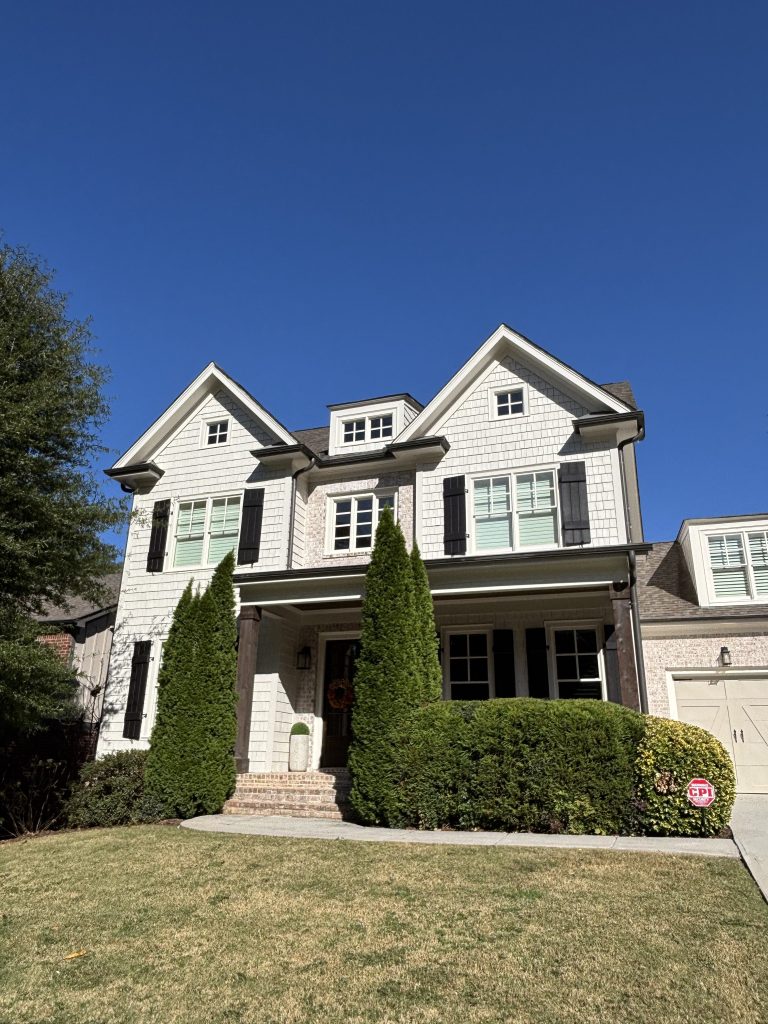
Drive through Atlanta neighborhoods like Buckhead, Virginia-Highland, or Druid Hills and you’ll notice homes with flawless exterior paint that looks showroom-fresh years after application. Then you’ll see houses where paint peels, bubbles, or shows uneven coverage within months of supposedly professional work. The difference rarely involves paint quality or application technique—it almost always traces back to preparation. Professional painters understand a fundamental truth that DIY enthusiasts and budget contractors often ignore: preparation determines 80% of your final results, while paint application accounts for only 20%. Atlanta’s unique climate creates specific preparation challenges that amateur work simply cannot address adequately. Humidity that averages 69% year-round, intense UV radiation during long summers, dramatic temperature swings between seasons, and afternoon thunderstorms that appear without warning all demand meticulous surface preparation that goes far beyond wiping walls with a damp cloth.
Surface Cleaning: Atlanta’s Grime Requires Professional-Grade Solutions
Atlanta homes accumulate specific contaminants that destroy paint adhesion if left untreated. Pollen that blankets vehicles and outdoor surfaces every spring also coats exterior walls, creating a barrier between paint and substrate. Mold and mildew thrive in our humid climate, establishing microscopic root systems in existing paint films and siding materials. Traffic pollution from I-285, I-75, and I-85 deposits oily residue on homes near major corridors. Red Georgia clay dust settles into every crevice during dry periods. Interior surfaces collect cooking grease, bathroom moisture, and household dust that seems invisible but prevents proper paint adhesion. Professional preparation addresses these contaminants systematically through pressure washing exterior surfaces at appropriate PSI levels—too low fails to clean, too high damages siding. Specialized cleaning solutions target specific contaminants: mildewcides eliminate mold spores, degreasers dissolve kitchen oils, and TSP solutions remove general grime. Interior walls receive thorough washing with appropriate cleaners that remove residue without oversaturating drywall. This cleaning phase consumes significant time, but skipping it guarantees premature paint failure regardless of product quality.
Repairing Surface Damage: Atlanta’s Climate Creates Unique Challenges
Atlanta’s weather patterns inflict specific damage that requires repair before painting. Wood siding expands and contracts with humidity fluctuations, creating gaps, cracks, and loose boards. Freeze-thaw cycles during occasional winter cold snaps damage masonry and stucco. Carpenter bees drill perfect holes in fascia boards and trim throughout Atlanta neighborhoods. Woodpecker damage appears on wood-sided homes as birds search for insects. Dry rot develops where moisture infiltrates wood despite paint protection. Professional preparation identifies and repairs all damage before paint application. Rotted wood sections get replaced rather than painted over—a critical distinction amateur work misses. Cracks in stucco receive proper filling with appropriate repair compounds that flex with temperature changes. Gaps around windows and doors get sealed with high-quality caulk formulated for Atlanta’s climate extremes. Loose siding boards get renailed and secured. Popped nails get countersunk and puttied. Interior walls show different problems: drywall cracks from settling, nail pops from lumber shrinkage, water damage from roof leaks, and texture mismatches from previous repairs. Professional preparation addresses every flaw because paint magnifies rather than hides surface imperfections.
Sanding and Smoothing: The Tedious Work That Makes Perfection Possible
Paint adheres through mechanical bonding—microscopic paint particles lock into surface texture like Velcro. Glossy existing finishes prevent this bonding by presenting smooth, non-porous surfaces. Professional preparation includes comprehensive sanding that creates ideal adhesion conditions. Exterior surfaces receive sanding to remove loose paint, smooth rough areas, feather paint edges, and create texture for new paint bonding. Interior walls and trim need sanding to smooth previous paint drips, remove texture from old repairs, feather patches to match surrounding surfaces, and dull glossy finishes. This sanding phase separates professional from amateur work dramatically. DIY painters typically under-sand, leaving glossy spots where new paint fails to adhere. Budget contractors rush through sanding, missing areas that later peel. Professional painters methodically sand every surface, investing hours in work that customers never see but that determines long-term results. Atlanta’s humidity complicates sanding—work must occur during low-humidity periods when dust doesn’t clump. Proper sanding creates fine dust that requires thorough cleanup before painting, adding another time-consuming step amateur work often skips.
Priming: Atlanta’s Climate Demands Strategic Primer Selection
Primer serves multiple critical functions that bare paint cannot accomplish alone. It seals porous surfaces, blocks stains from bleeding through, improves paint adhesion, provides uniform base color, and reduces topcoat absorption that wastes expensive paint. Atlanta’s specific challenges demand strategic primer choices. Exterior wood in our humid climate needs oil-based or shellac-based primers that seal against moisture infiltration far better than water-based alternatives. Stucco and masonry require alkali-resistant masonry primers that prevent efflorescence—white mineral deposits that ruin paint appearance. Previously painted surfaces need bonding primers that adhere to glossy finishes. Stain-blocking primers prevent water stains, smoke damage, and wood tannins from bleeding through fresh paint. Interior bathrooms and kitchens benefit from mold-resistant primers that discourage mildew growth in moisture-prone environments. Professional preparation includes primer application on all bare surfaces, all repairs, and any areas showing stains or adhesion concerns. Many budget painters skip priming entirely, relying on paint’s self-priming claims that fail in real-world conditions. Others use single-purpose primer when specific primers would perform better. The primer investment typically represents 15-20% of total paint costs but prevents 80% of common paint failures.
Protecting Surrounding Surfaces: The Difference Between Contractors and Professionals
Atlanta homes contain expensive landscaping, decorative hardscaping, outdoor lighting, HVAC units, and architectural details that paint overspray destroys. Interior homes feature furniture, flooring, fixtures, and finishes requiring protection from paint damage. Professional preparation includes comprehensive masking and protection before any painting begins. Exterior preparation covers foundation plantings with drop cloths, protects HVAC condenser units with plastic sheeting, masks windows and doors with paper and tape, covers walkways and driveways to prevent paint staining, and shields light fixtures and hardware. Interior preparation involves moving furniture to room centers, covering everything with plastic sheeting, protecting floors with ram board or heavy drop cloths, masking trim or walls depending on painting sequence, and removing switch plates and outlet covers. Amateur painters minimize protection to save time, inevitably creating damage that costs more to remedy than proper protection would have cost. Professional painters understand that preparation time spent protecting surfaces saves hours of cleanup, prevents damage claims, and demonstrates respect for client property that builds reputation and referrals.
Proper Substrate Preparation: Material-Specific Requirements Matter
Different surfaces require specific preparation approaches that generic methods cannot address adequately. Wood siding needs inspection for rot, grain raising from pressure washing, loose knots, and resin bleeding. Metal surfaces require rust removal, etching for adhesion, and corrosion-inhibiting primers. Vinyl siding demands gentle cleaning without high pressure that damages material. Brick and stucco need mortar joint inspection, efflorescence removal, and breathable coating systems. Interior drywall requires careful moisture control, gentle sanding to avoid damaging paper facing, and skim coating for smooth results. Previously wallpapered walls need complete adhesive removal before painting. Glossy wood trim demands aggressive sanding or liquid deglosser application. Professional painters assess each surface type and apply appropriate preparation techniques. Atlanta’s diverse housing stock—from 1920s bungalows to modern condos—presents every possible surface requiring different approaches. Generic preparation fails because it treats all surfaces identically, missing the specific requirements each material demands for optimal paint adhesion and longevity.
Weather Timing: Atlanta’s Climate Creates Critical Preparation Windows
Atlanta’s weather patterns significantly impact preparation effectiveness. Pressure washing requires 24-48 hours of dry weather afterward for surfaces to dry completely before painting. Painting damp surfaces traps moisture under new paint, causing immediate adhesion failure. Summer afternoon thunderstorms that appear suddenly can ruin freshly cleaned or primed surfaces, requiring work repetition. High humidity above 85% prevents proper curing of primers and paints. Temperatures below 50°F compromise water-based paint application and curing. Direct sunlight on fresh paint causes rapid drying that prevents proper leveling. Professional painters monitor weather forecasts constantly, scheduling preparation phases during optimal conditions and adjusting timelines when weather doesn’t cooperate. They understand Atlanta’s typical weather patterns—spring pollen season requires extra cleaning, summer humidity demands morning work schedules, fall provides ideal conditions, and winter requires careful temperature monitoring. Amateur painters ignore weather impact, working regardless of conditions and wondering why results disappoint despite using quality products.
The Cost of Skipped Preparation: Short-Term Savings, Long-Term Expenses
Budget painting bids that seem remarkably low almost always cut preparation rather than reducing profit margins. Contractors who charge 40-50% less than professional estimates achieve those prices by skipping cleaning, minimizing repairs, eliminating sanding, reducing priming, and rushing through masking. Atlanta homeowners who choose these budget options typically experience paint failure within 1-3 years—peeling around repairs, staining bleeding through, uneven coverage showing surface flaws, and premature wear in high-traffic areas. The repainting costs exceed initial savings dramatically. Professional preparation costs seem higher initially but deliver 10-15 year performance that reduces annual cost significantly. A proper exterior paint job costing $8,000 that lasts 12 years costs $667 annually. A budget job costing $4,000 that fails after 3 years costs $1,333 annually plus the disruption of frequent repainting. Interior painting follows similar mathematics. Professional preparation represents investment in longevity rather than expense to minimize.
Why OVO Painting’s Preparation Process Delivers Superior Atlanta Results
OVO Painting has built its reputation throughout Atlanta neighborhoods on preparation excellence that competitors cannot match. Our process begins with comprehensive surface inspection identifying every repair need, cleaning requirement, and preparation challenge your specific project presents. We pressure wash at appropriate PSI levels for each surface type, using professional equipment and proven techniques. Our team repairs all damage with quality materials rather than covering problems with paint. We sand meticulously, investing the time necessary for smooth, paint-ready surfaces. Strategic primer selection addresses your home’s specific needs rather than using generic products. Complete protection preserves your property’s value throughout the painting process. Weather monitoring ensures work occurs during optimal conditions that maximize results. This comprehensive preparation foundation explains why OVO Painting’s work maintains beautiful appearance years after completion while budget painting failures. Atlanta homeowners who choose OVO Painting invest in preparation expertise that delivers lasting value, professional results, and peace of mind that comes from knowing the job was done right the first time.
Your home deserves preparation excellence that transforms painting from temporary cosmetic update to long-term value investment. Whether you’re refreshing a historic Inman Park bungalow or maintaining a modern Buckhead residence, OVO Painting brings meticulous preparation expertise that Atlanta’s climate demands. Don’t settle for shortcuts that compromise results or trust your valuable property to contractors who view preparation as optional rather than essential. Contact OVO Painting today to schedule your free consultation. Our experienced team will assess your project’s specific preparation requirements, explain our comprehensive process, and provide transparent pricing that reflects the quality preparation your home deserves.